✨ New Arrivals Just Dropped!Explore
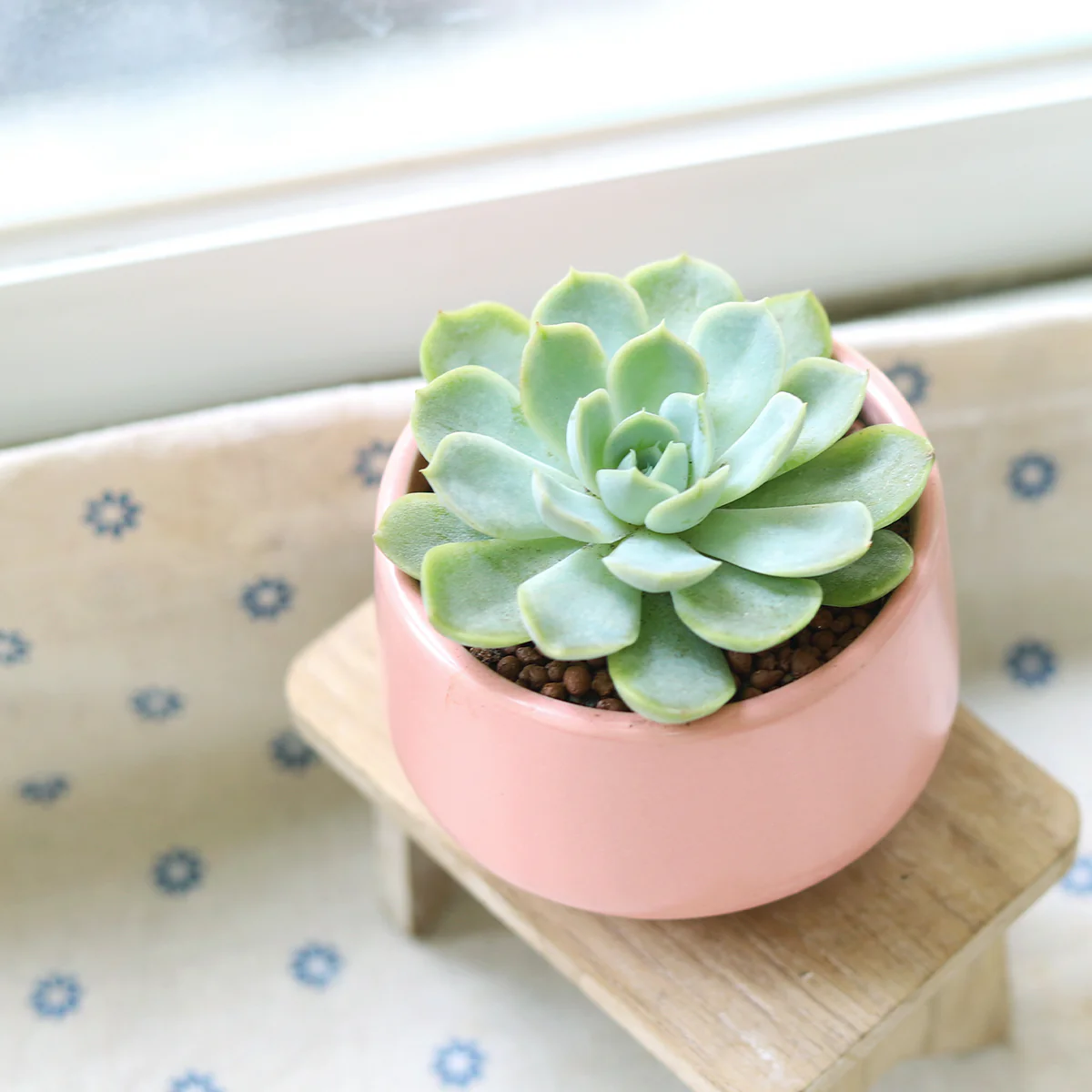
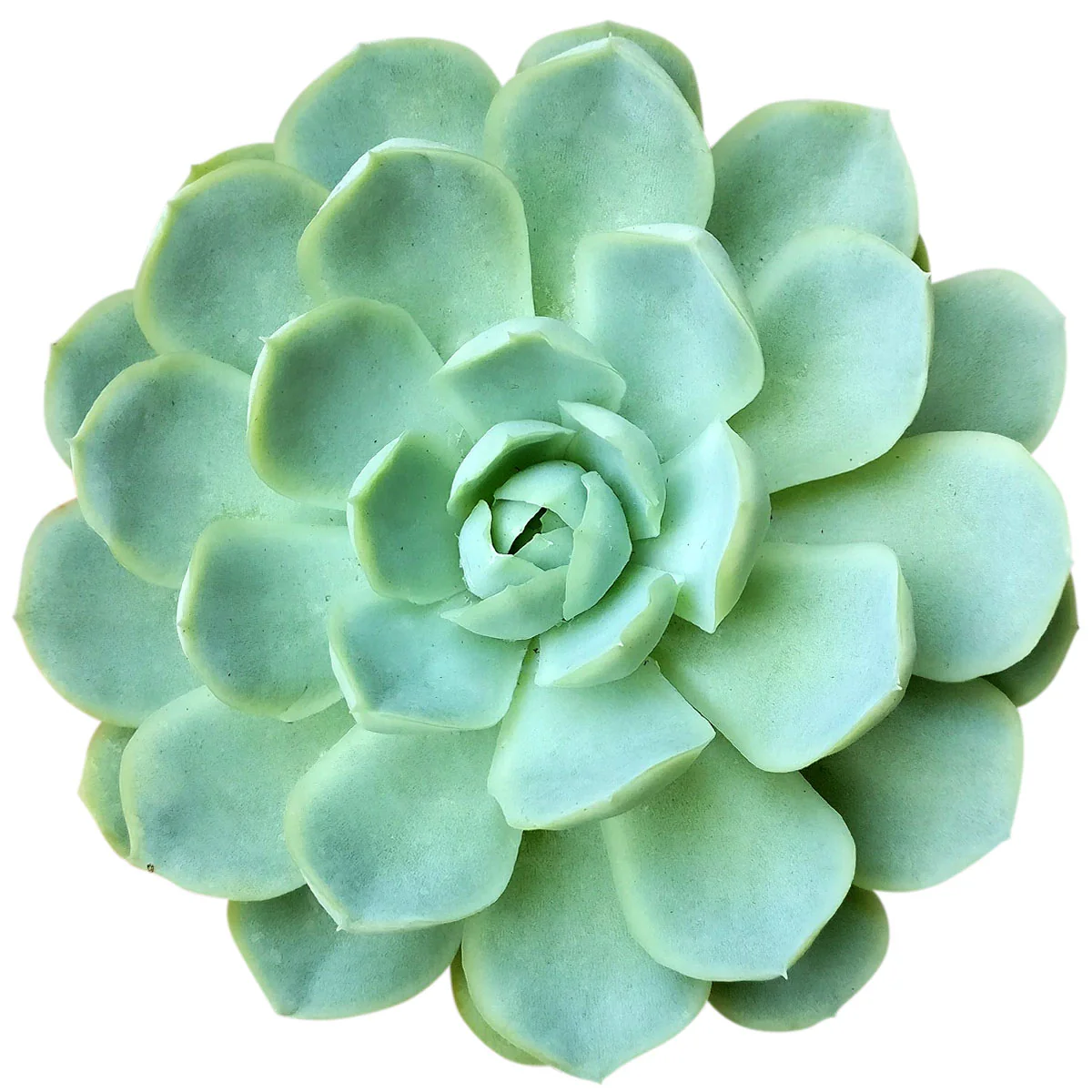
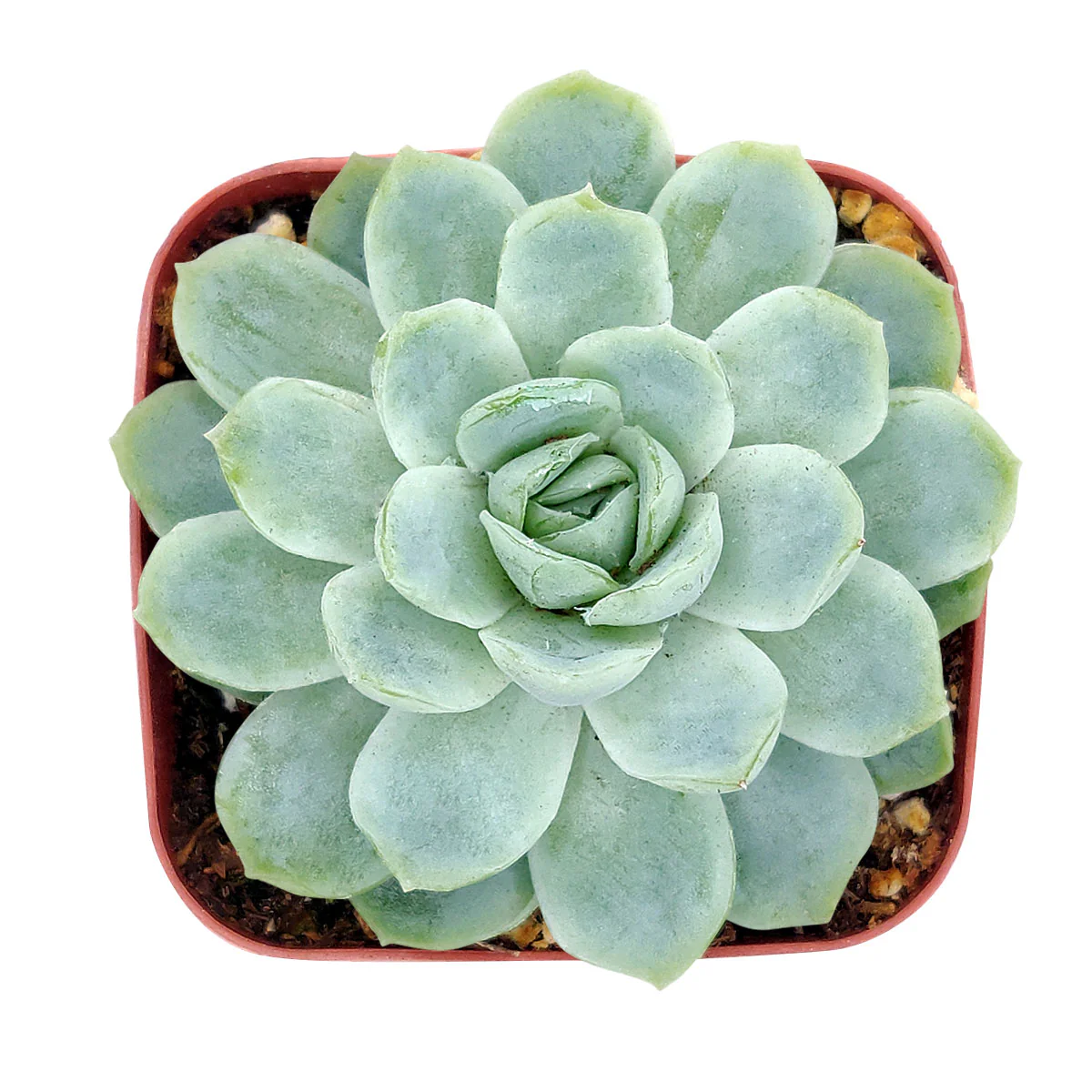
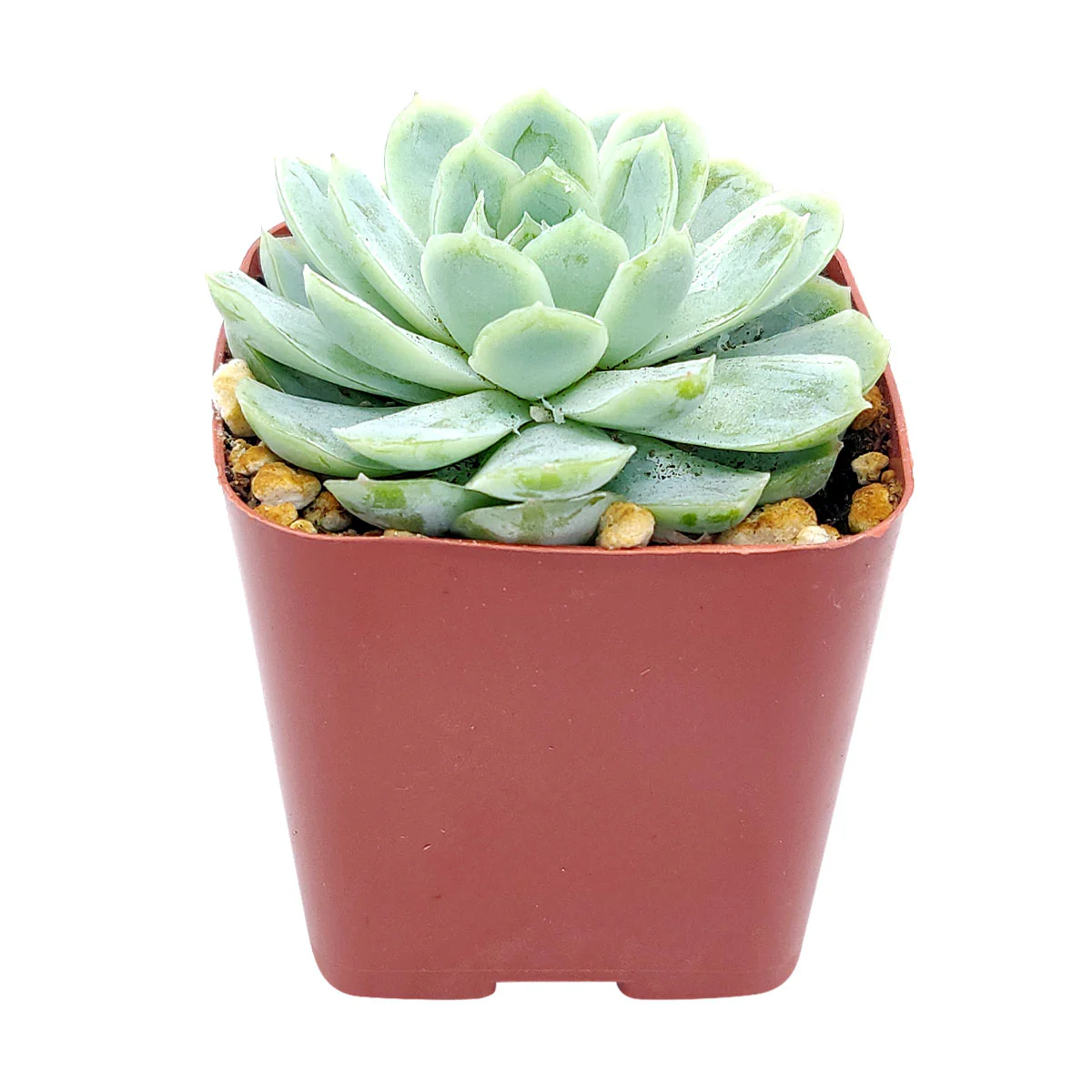
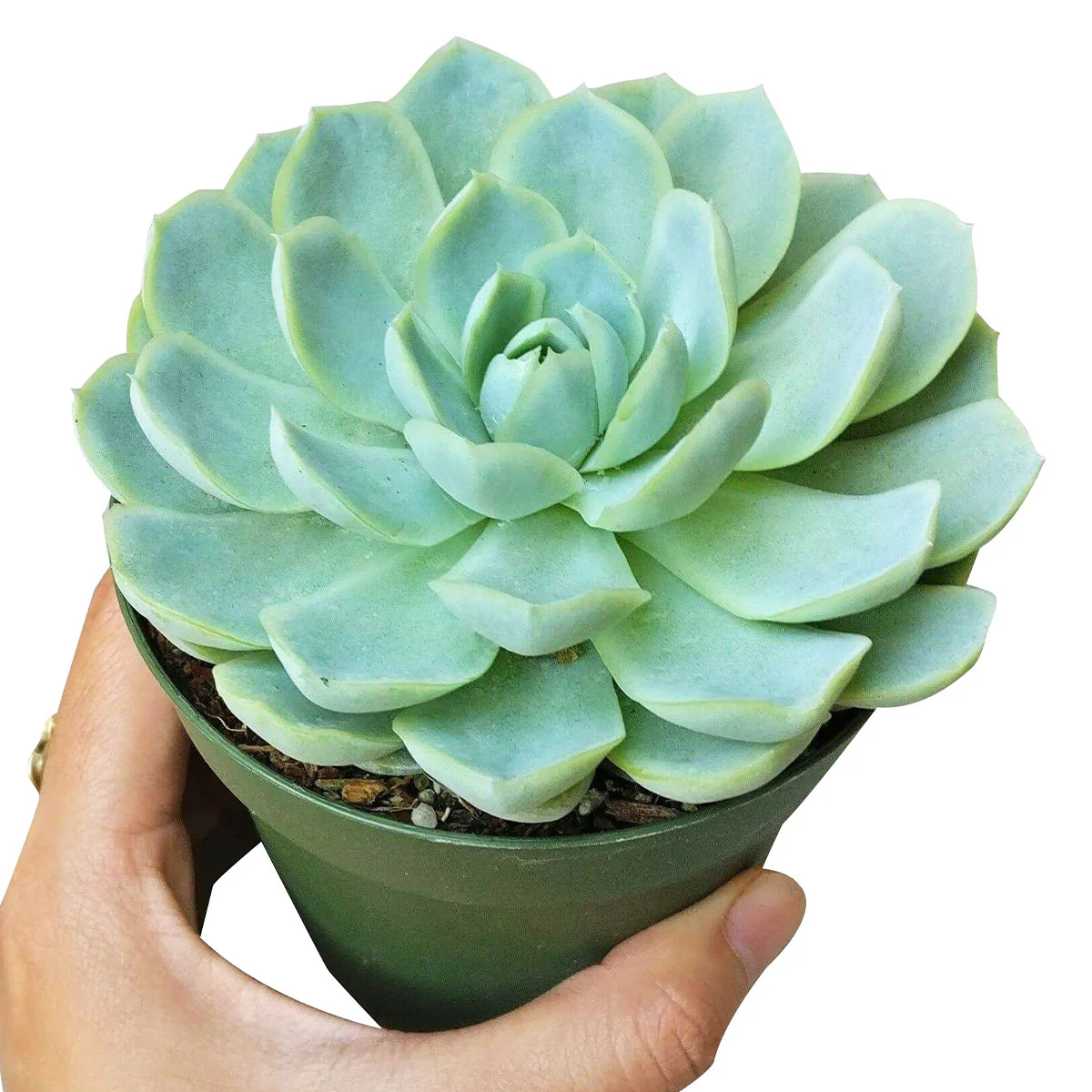
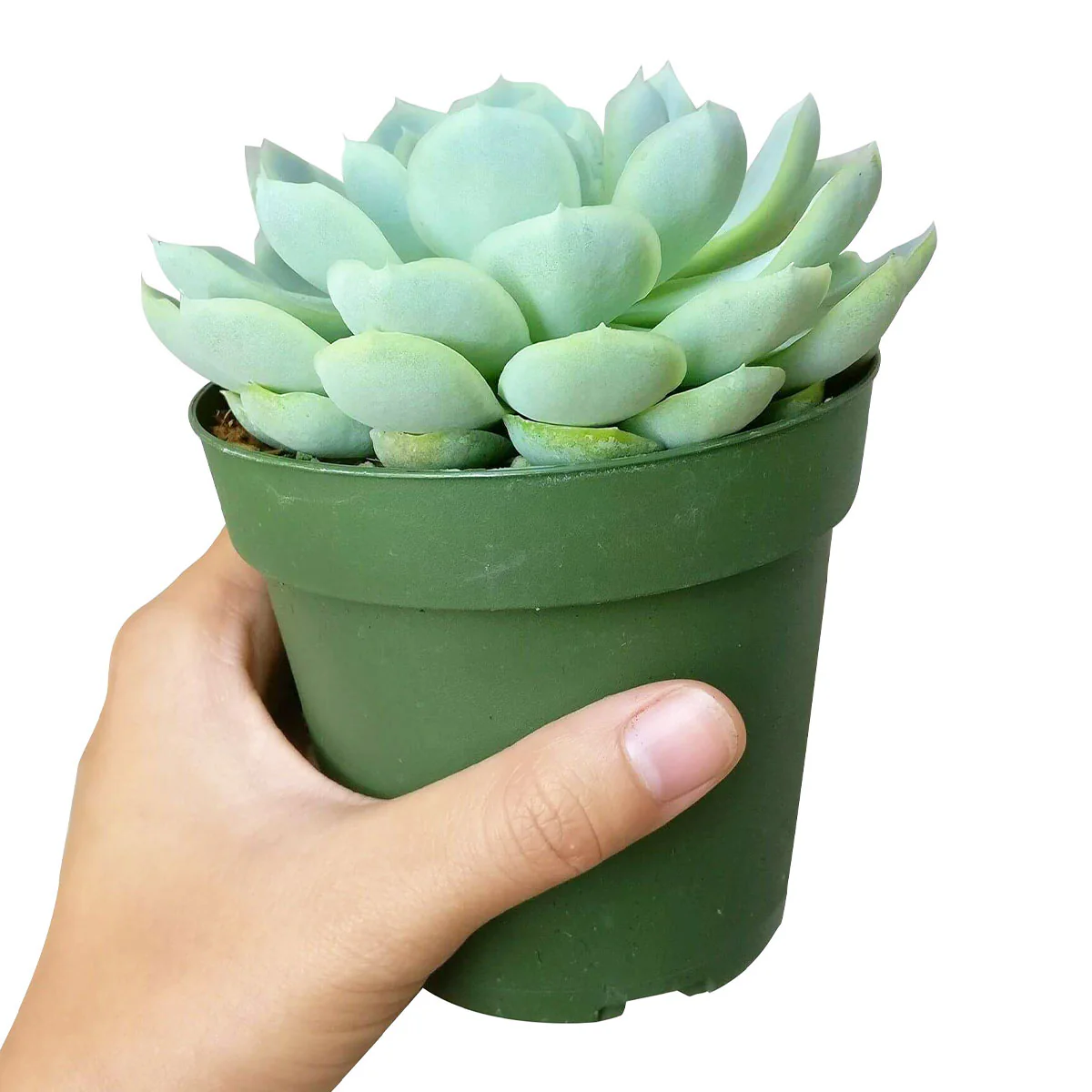
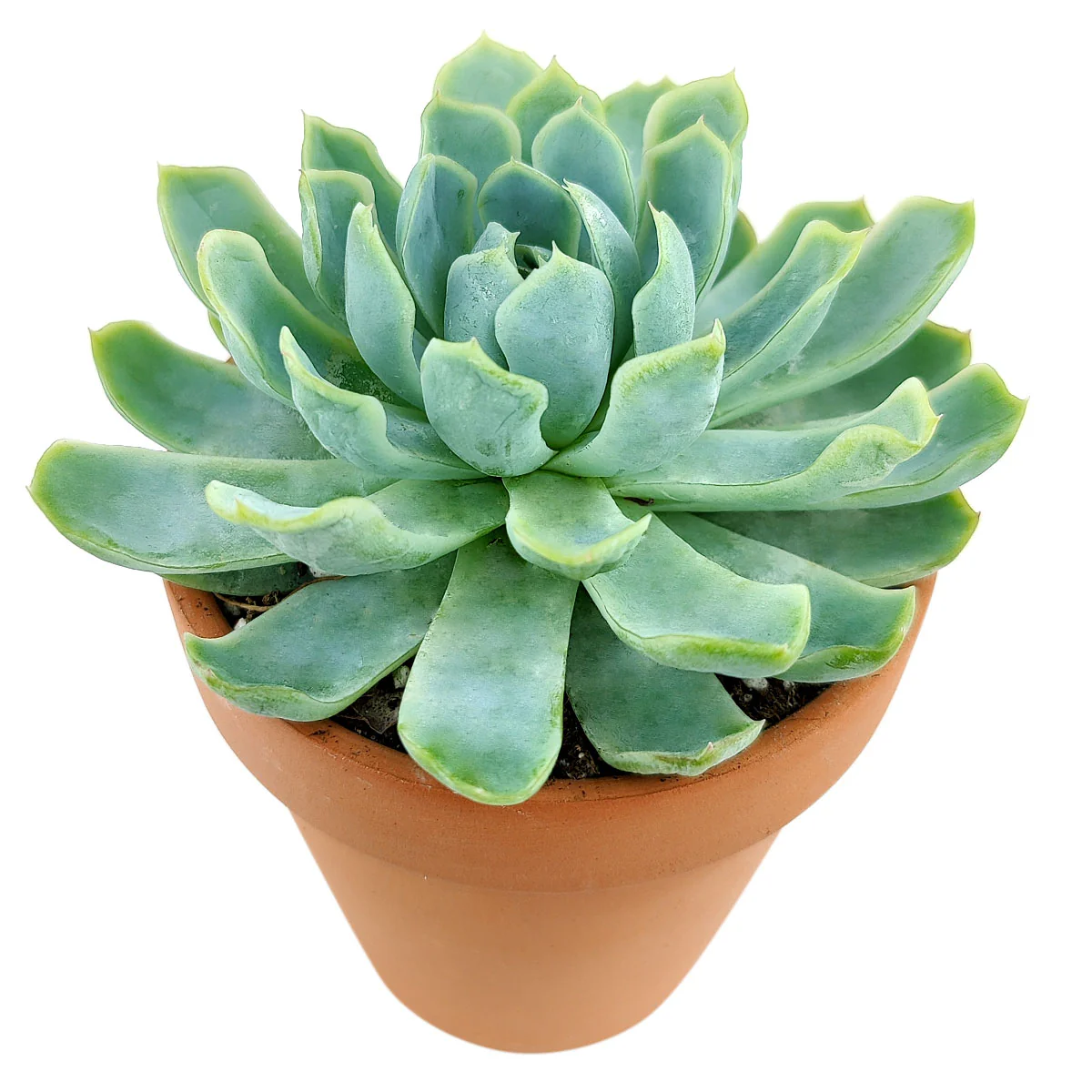
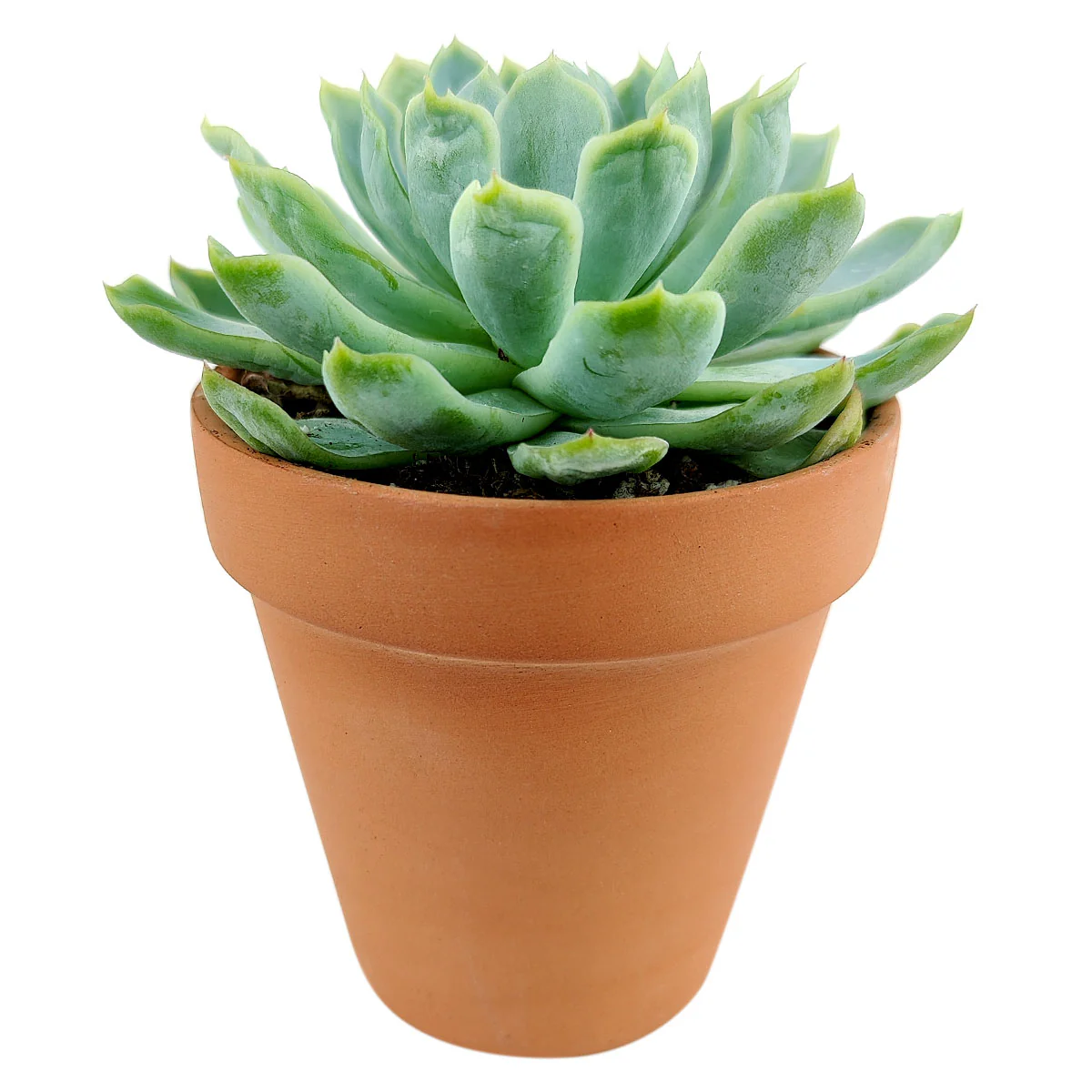
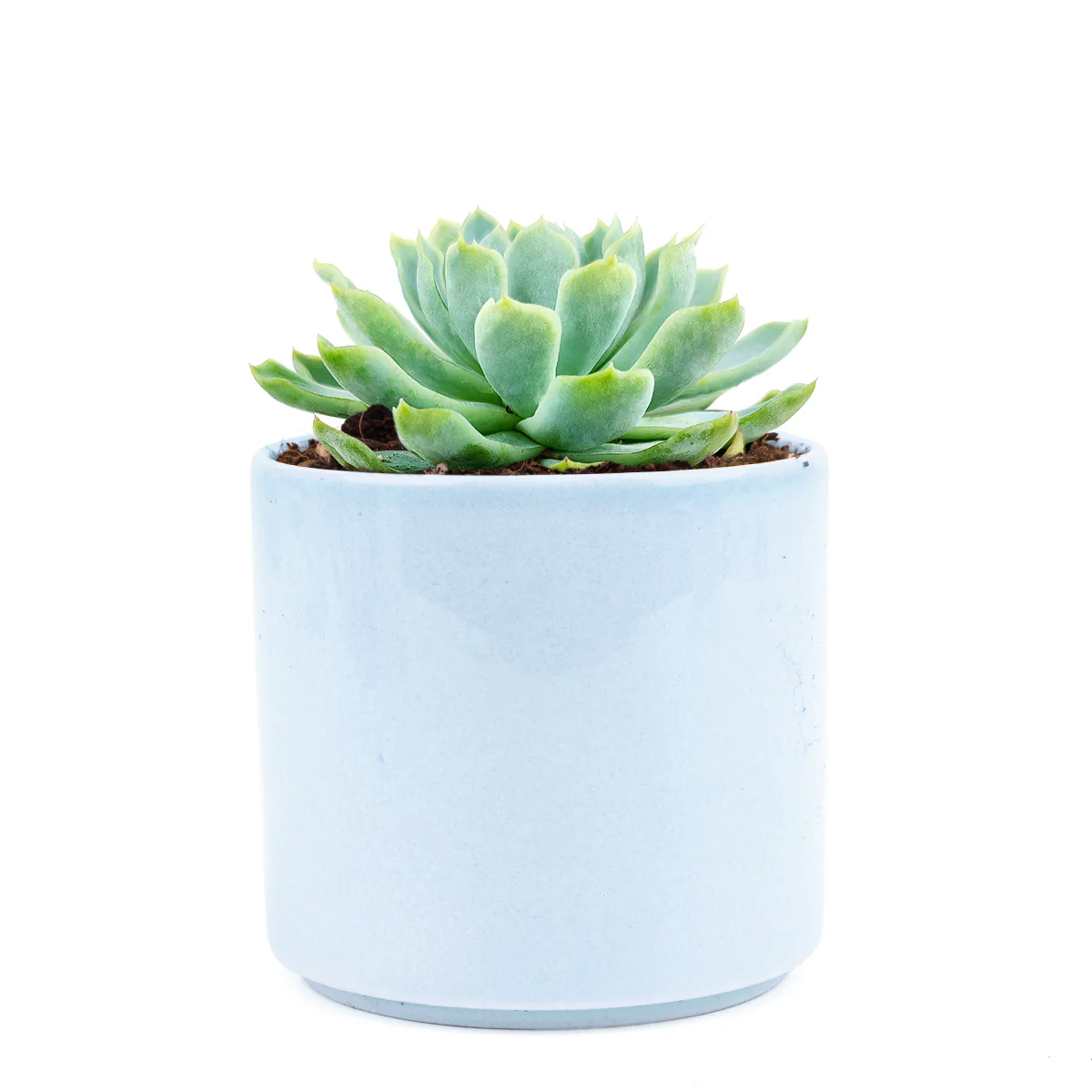
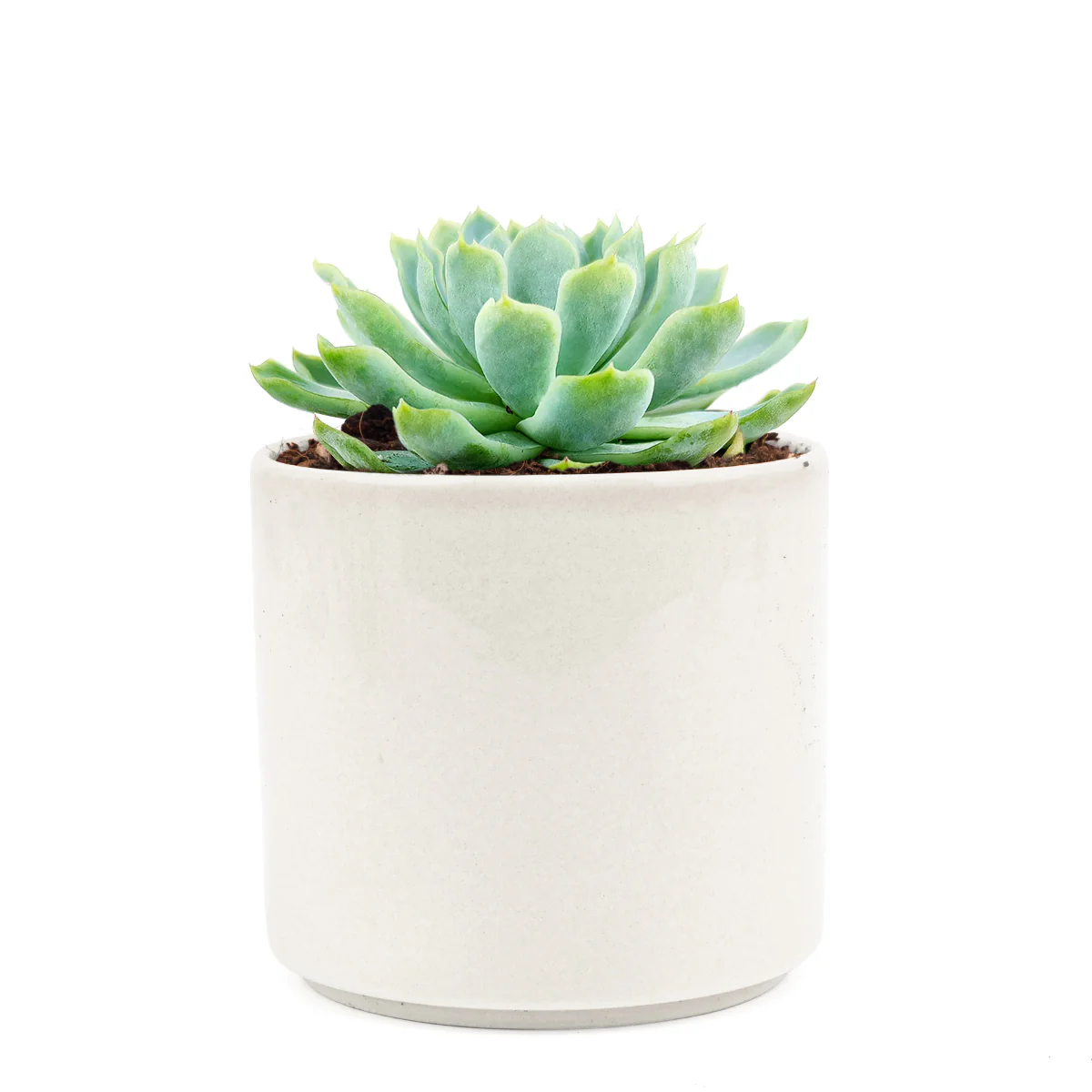
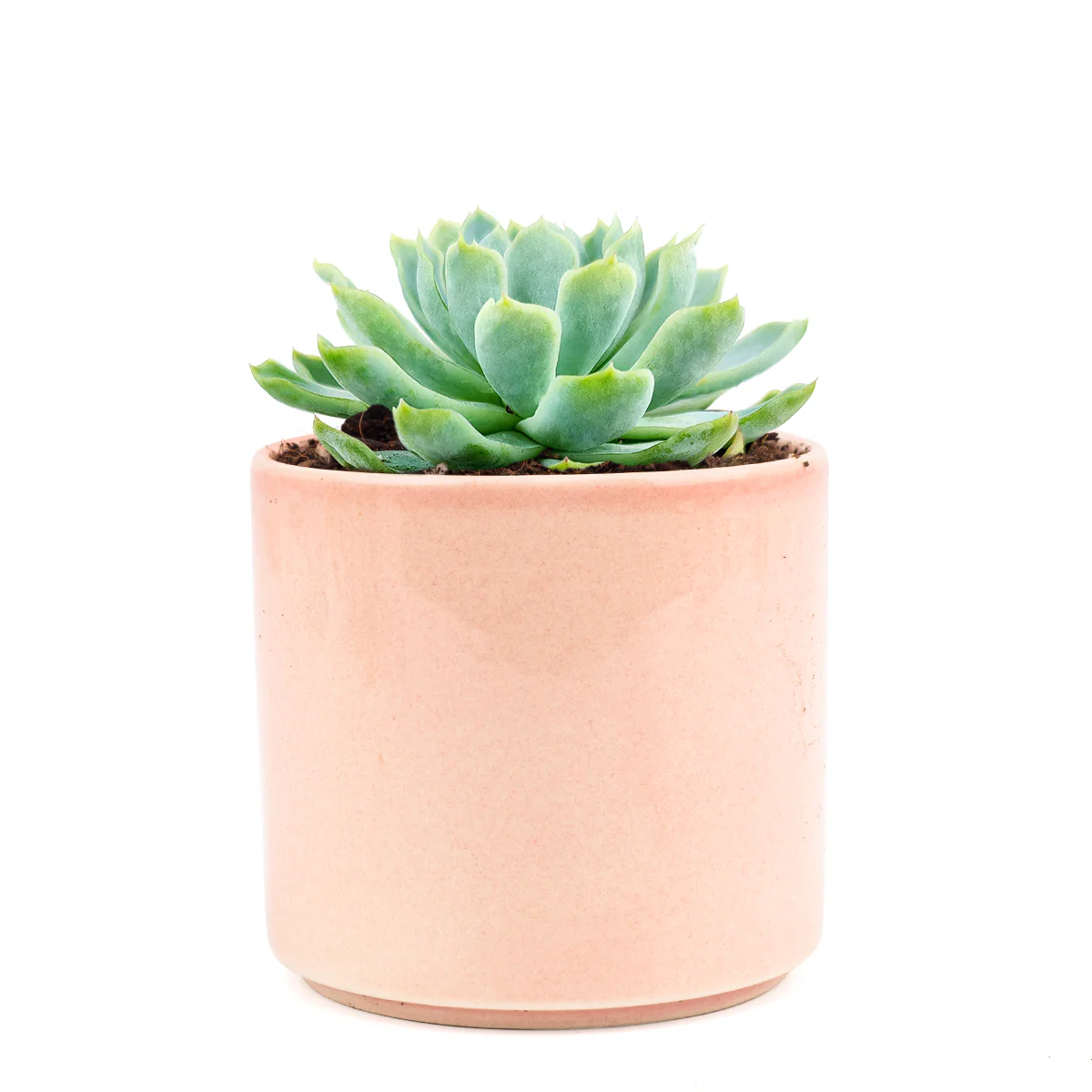
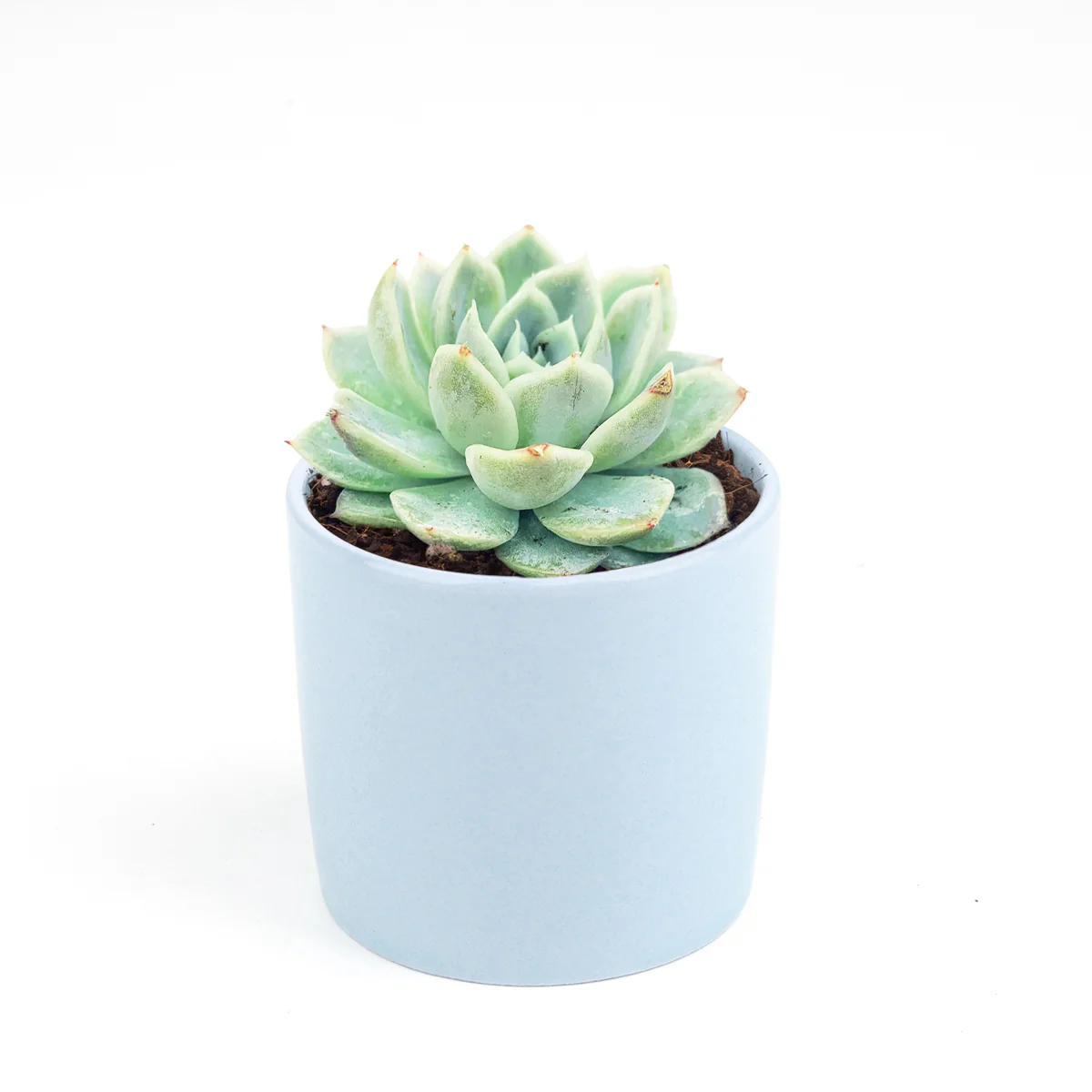
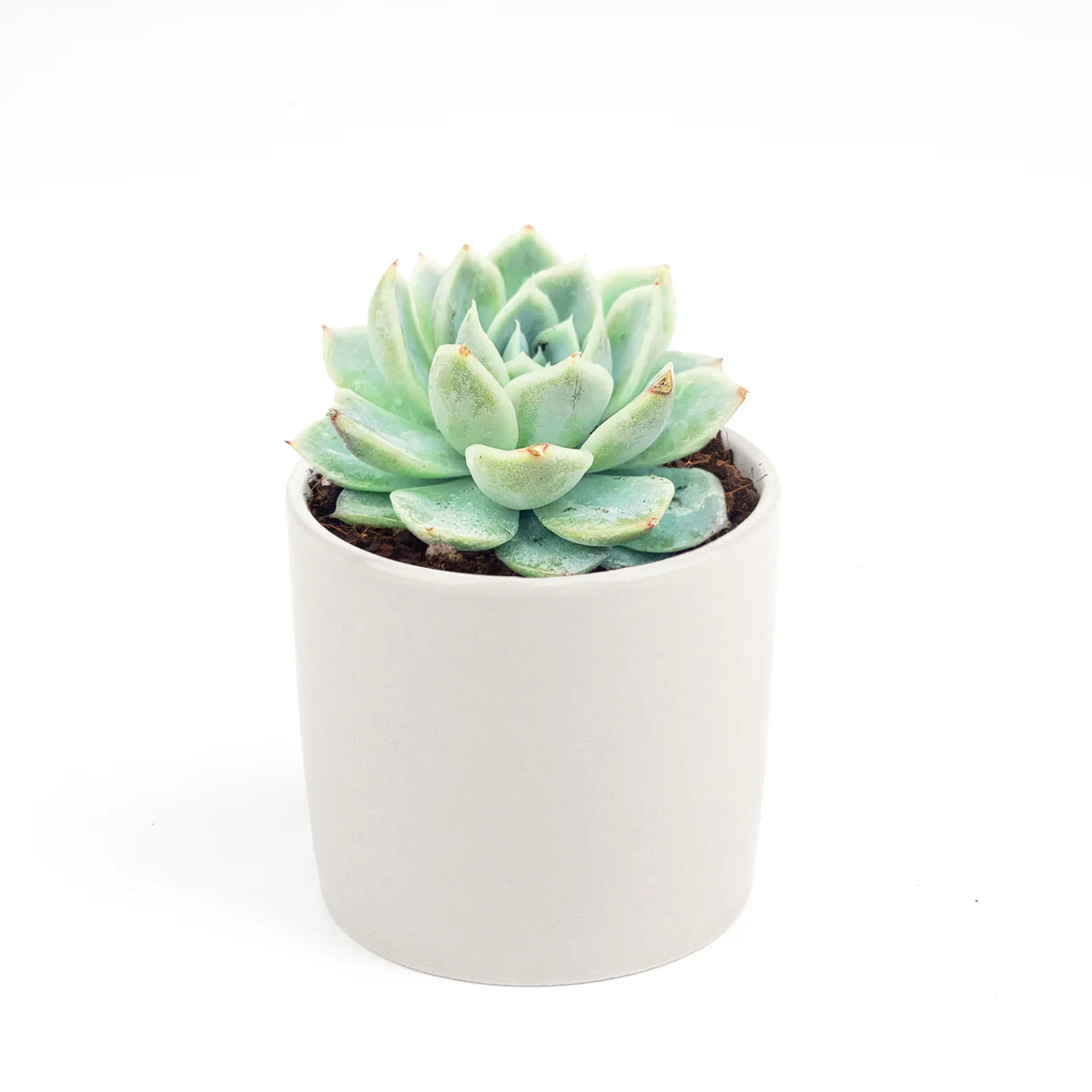
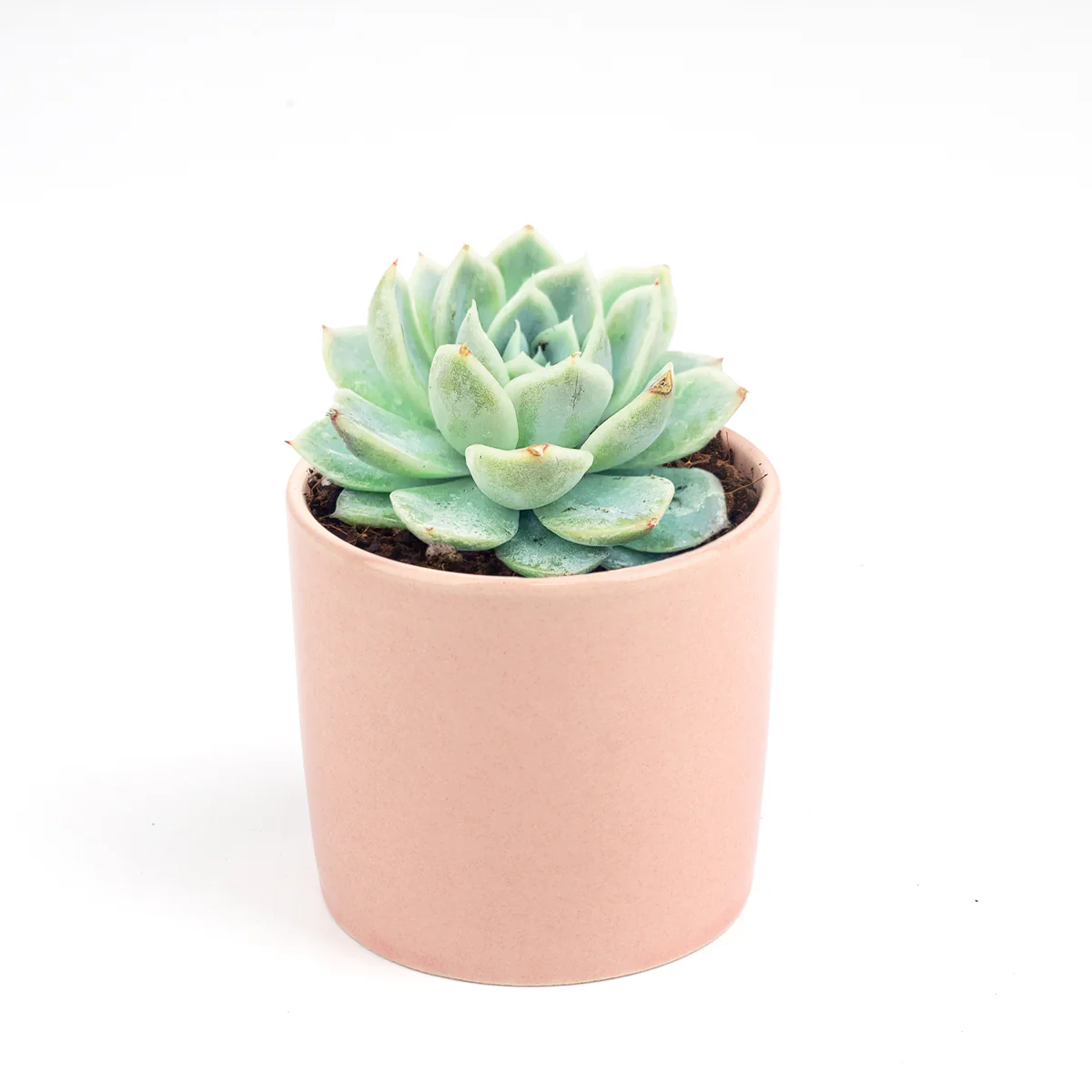
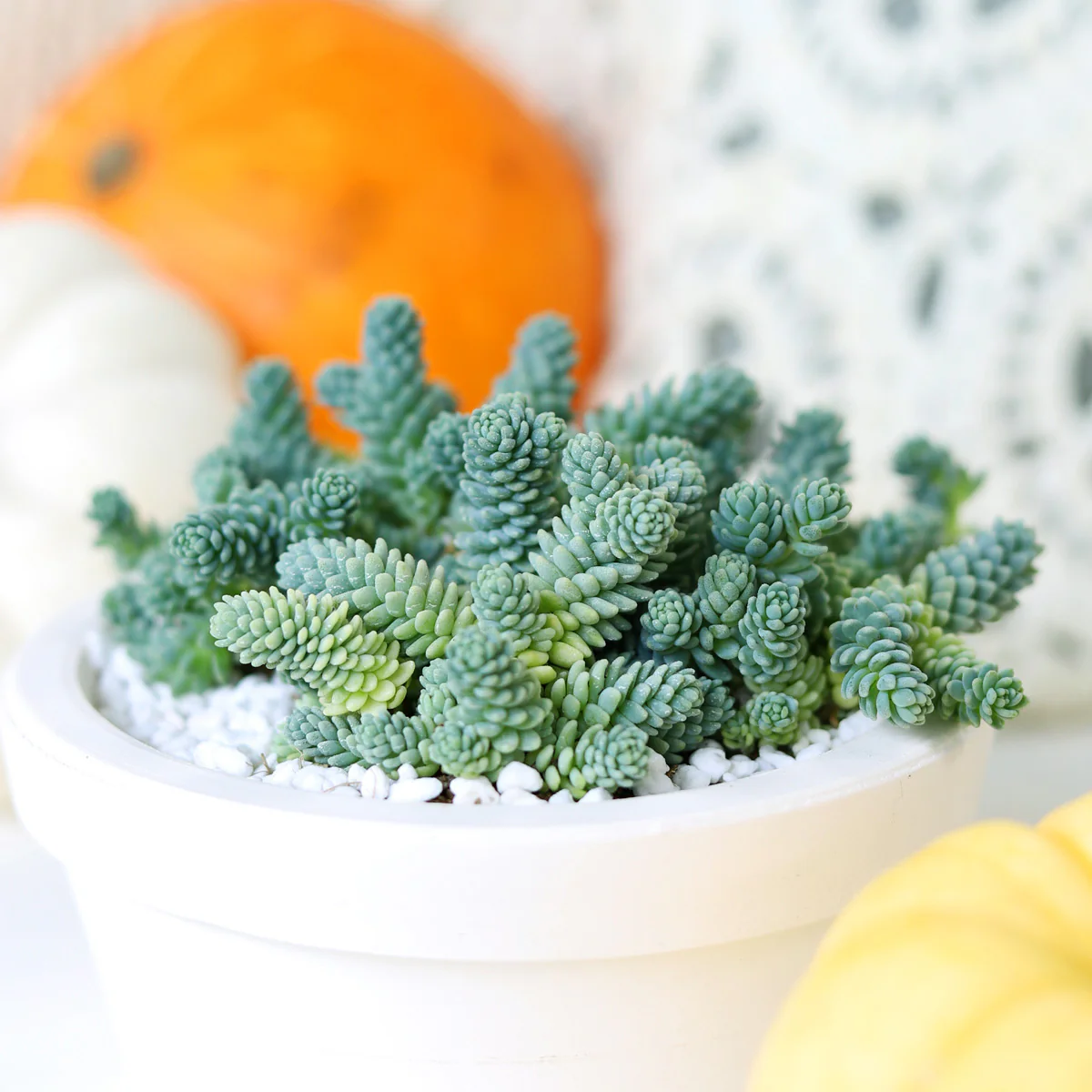
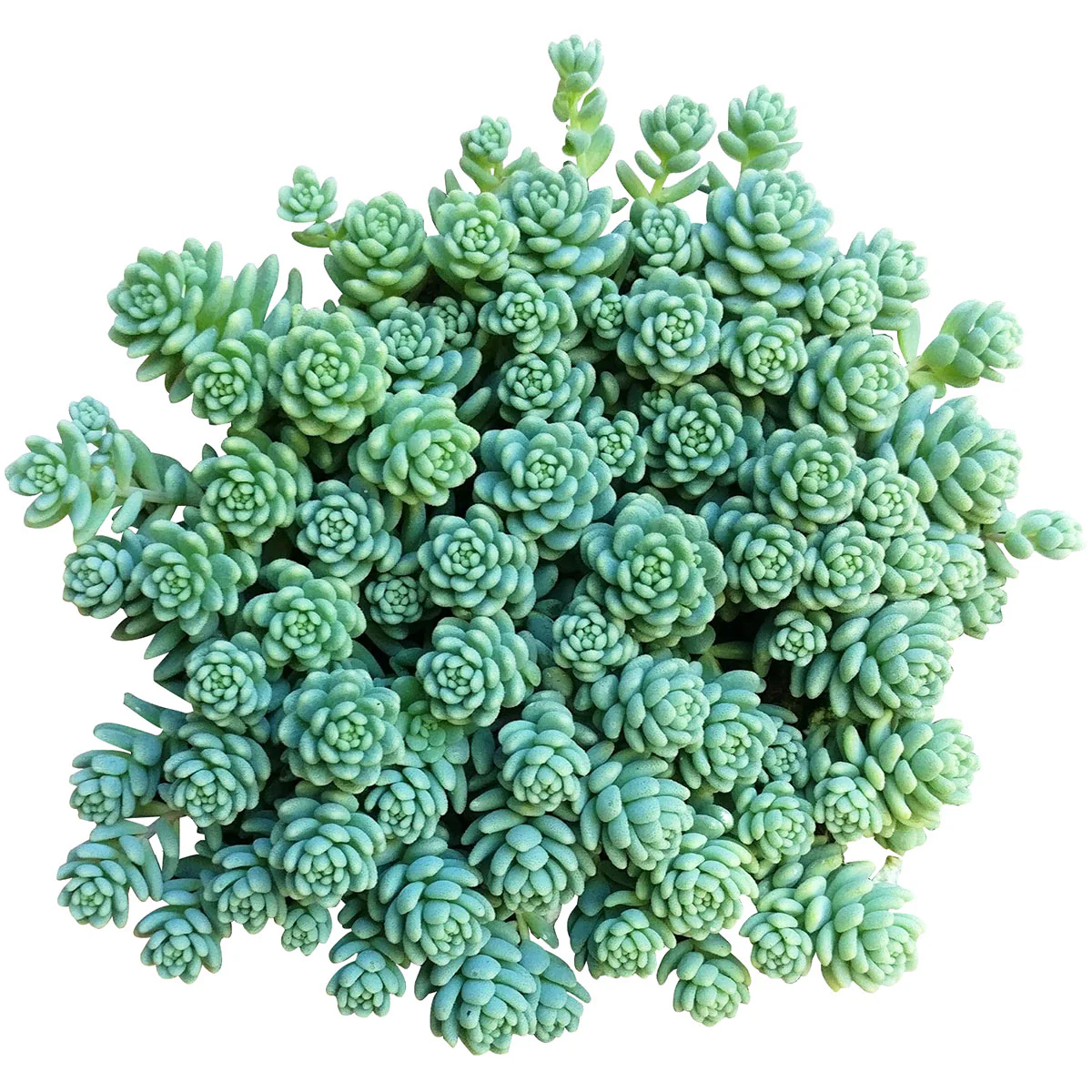
Echeveria Elegans Mexican Snowball
-
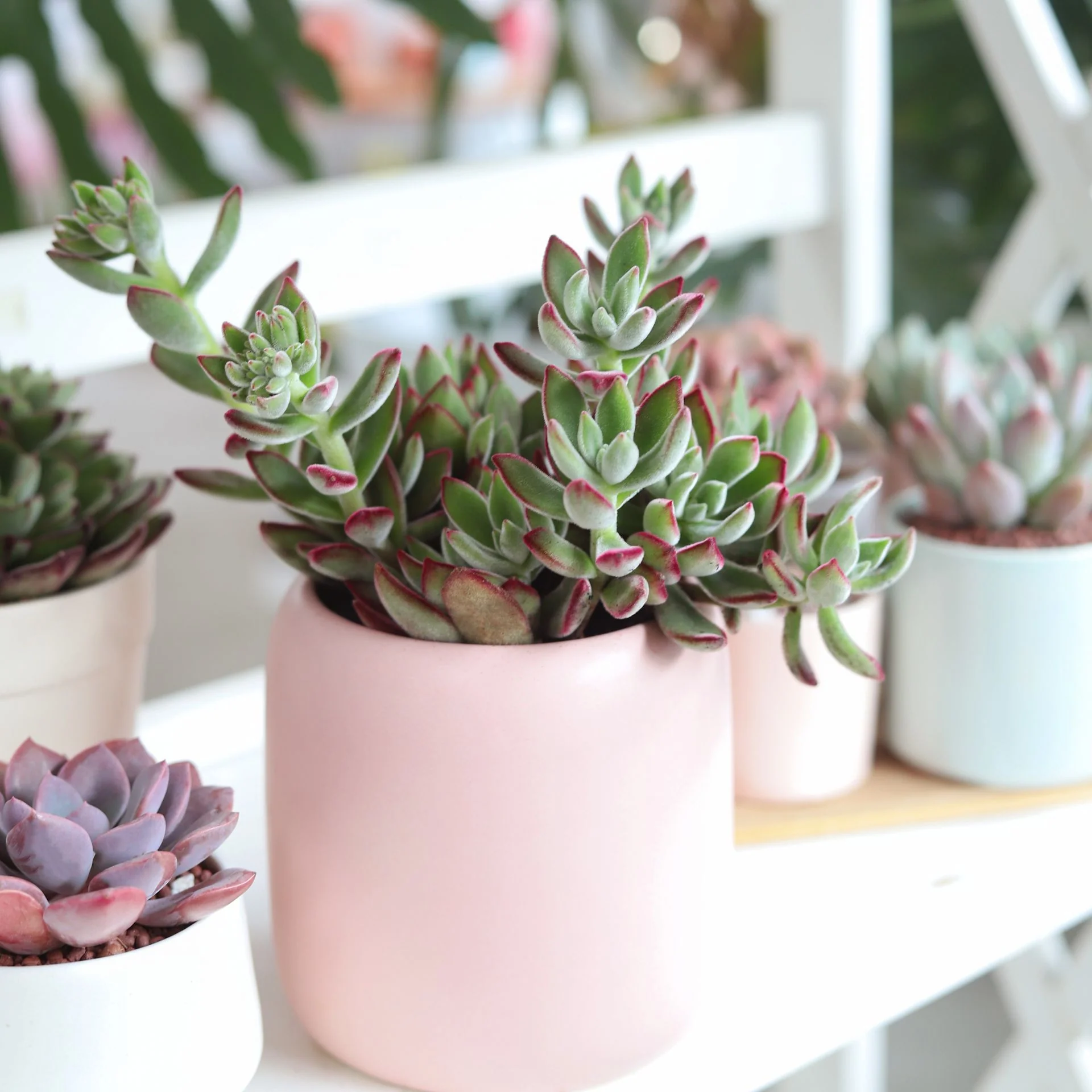
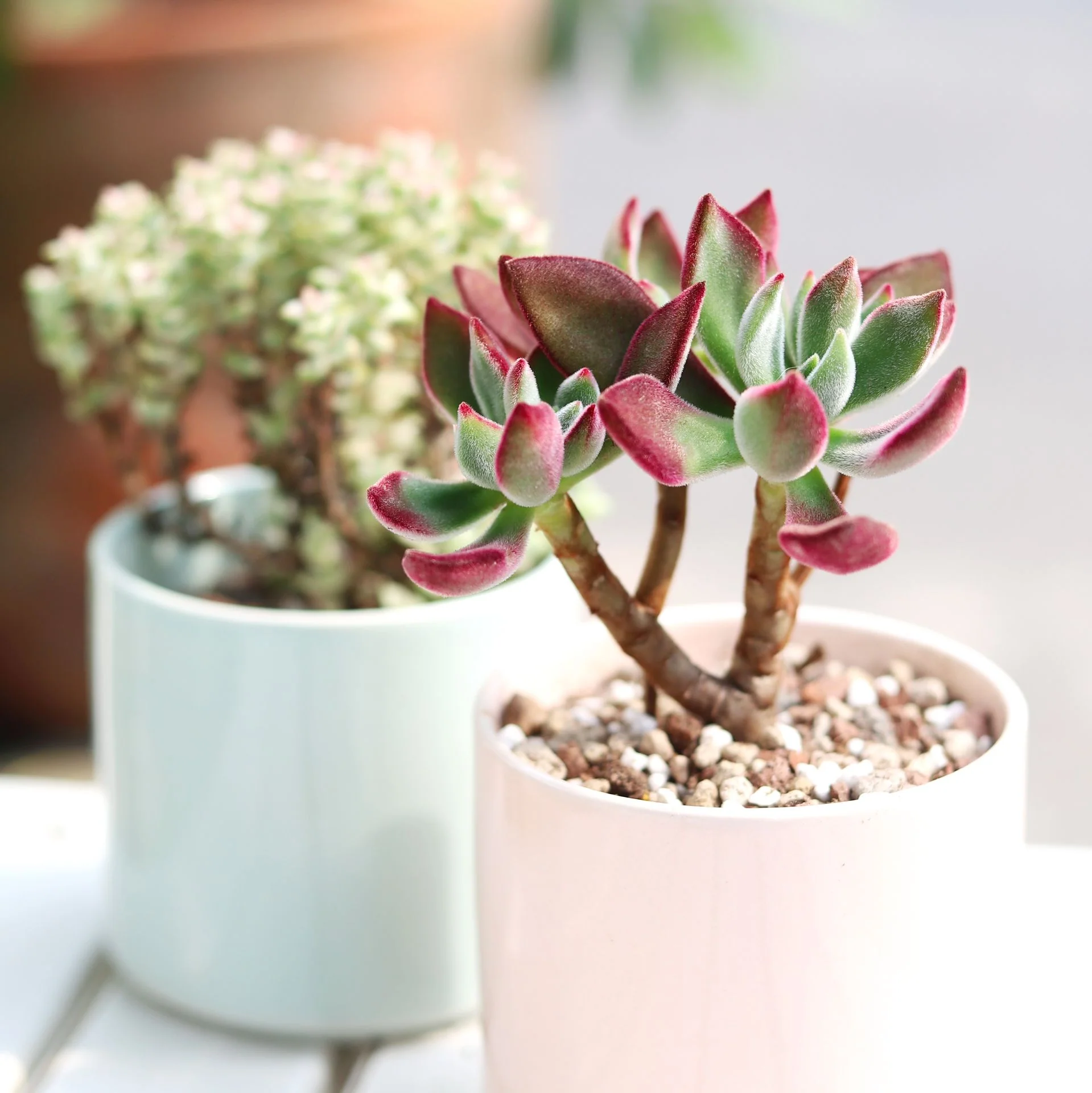
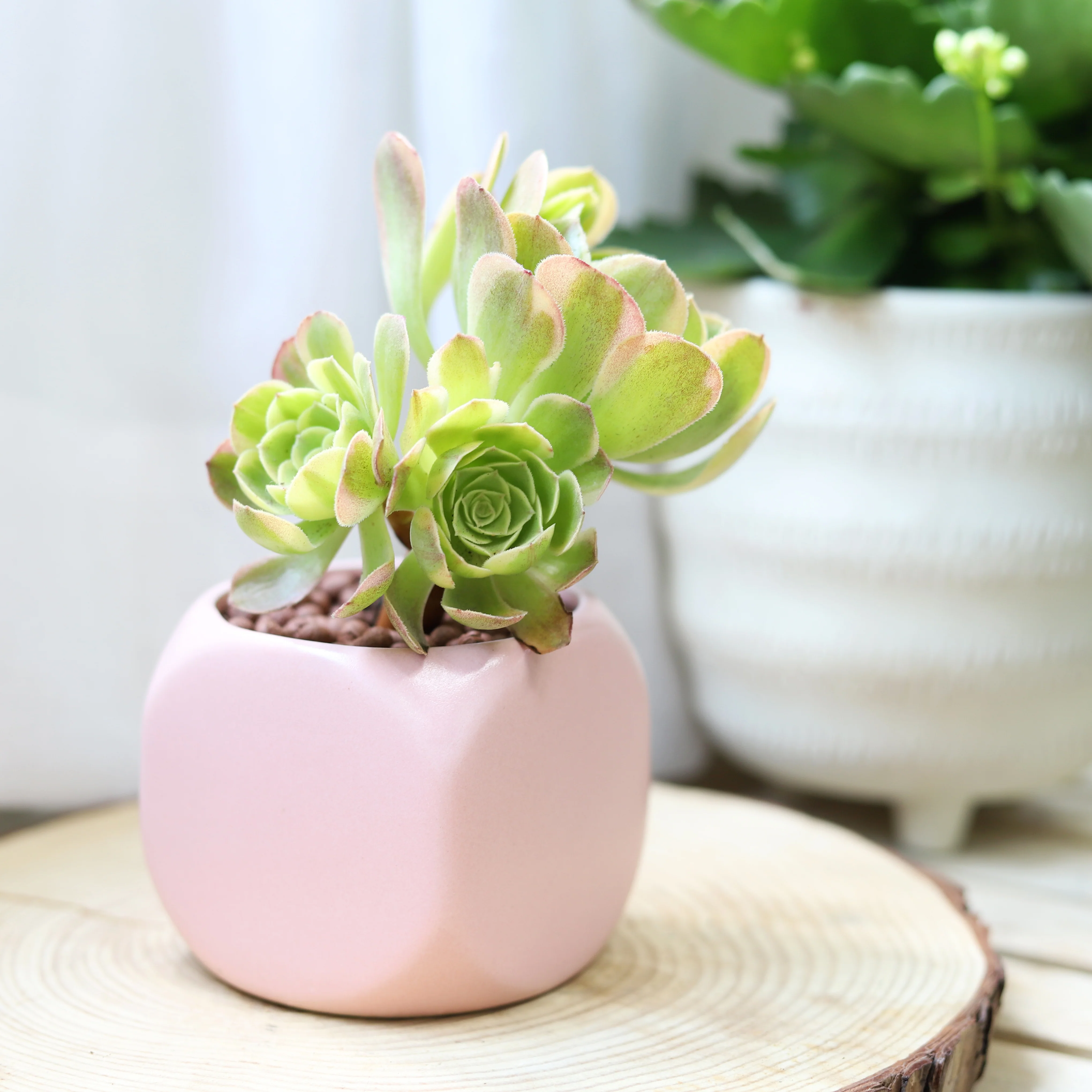
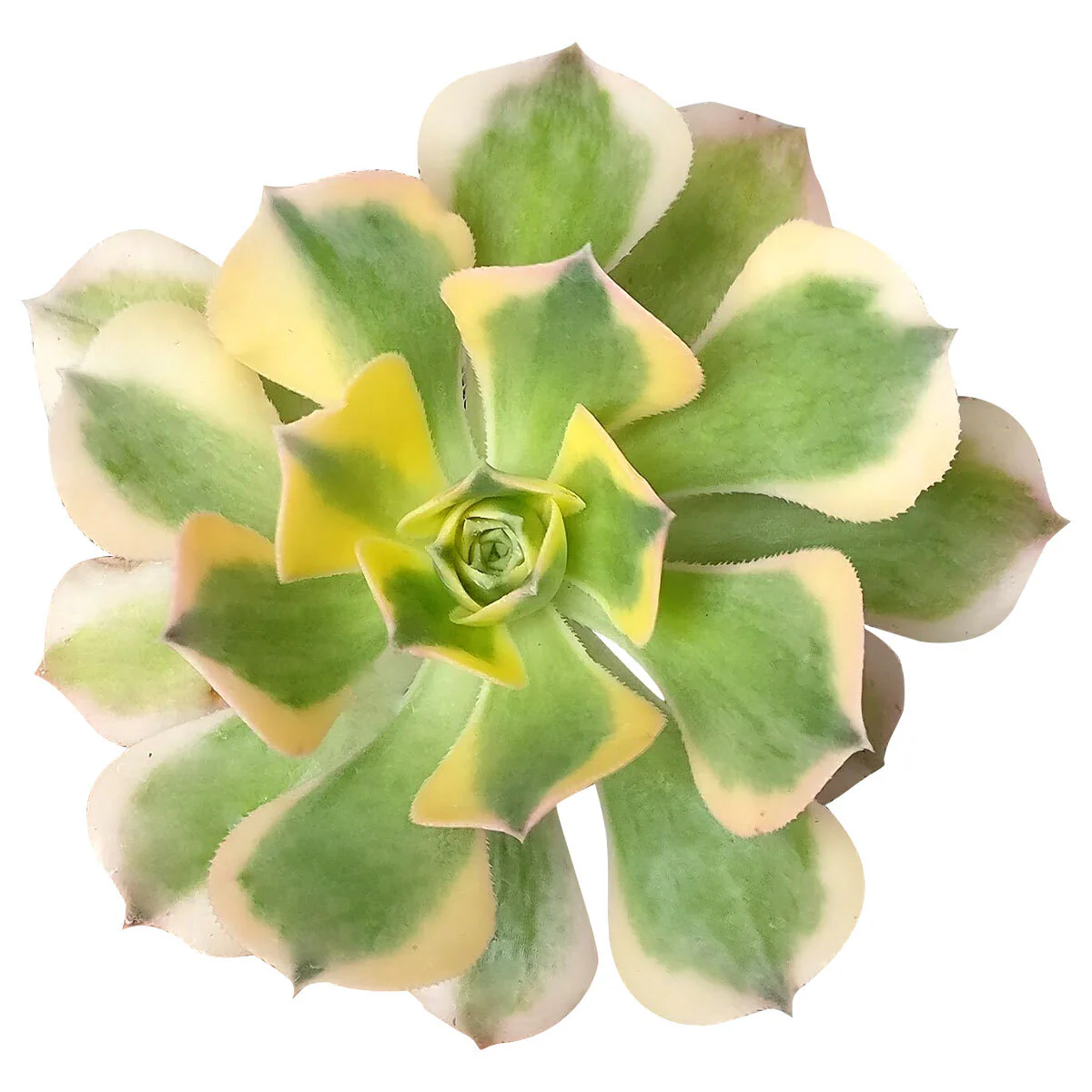
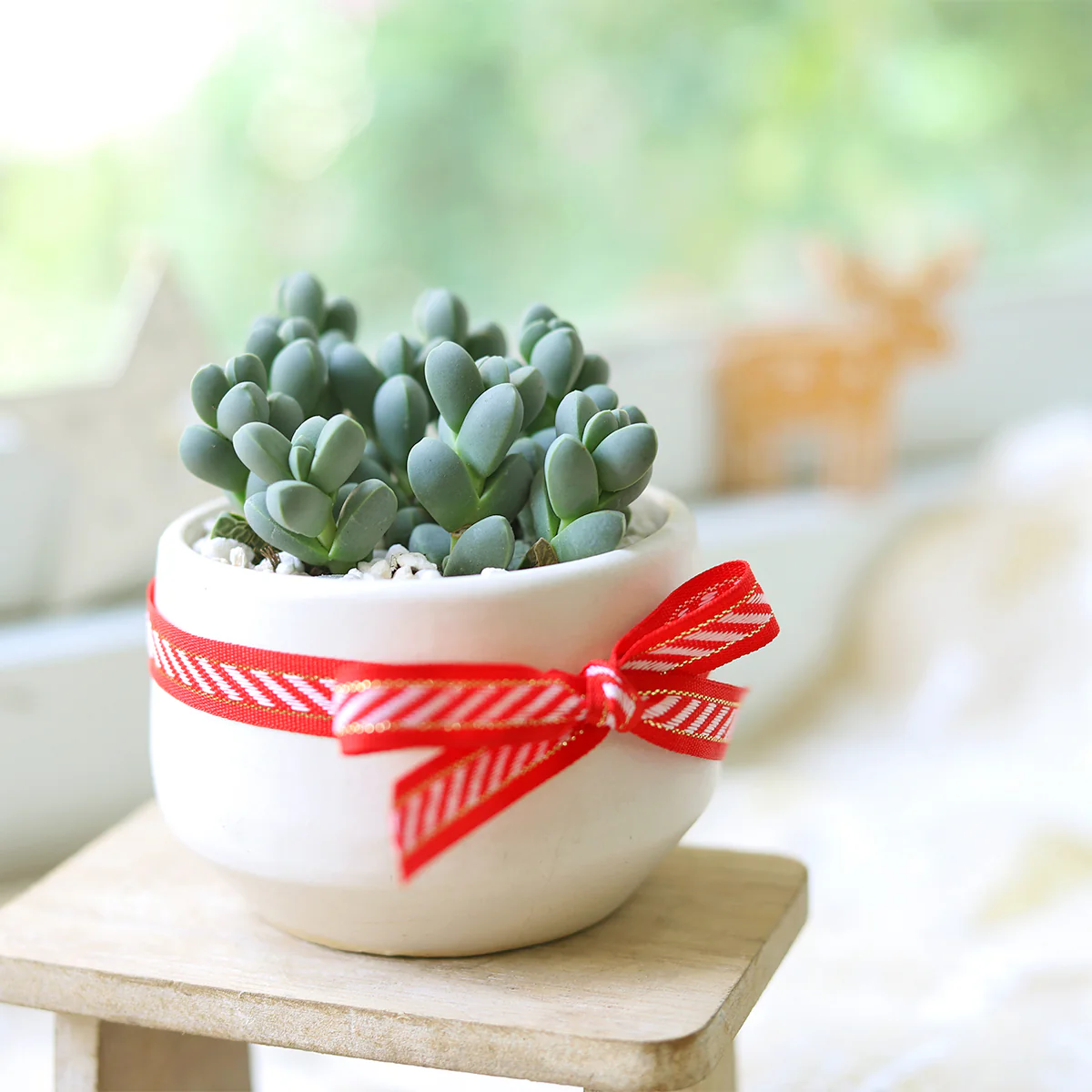
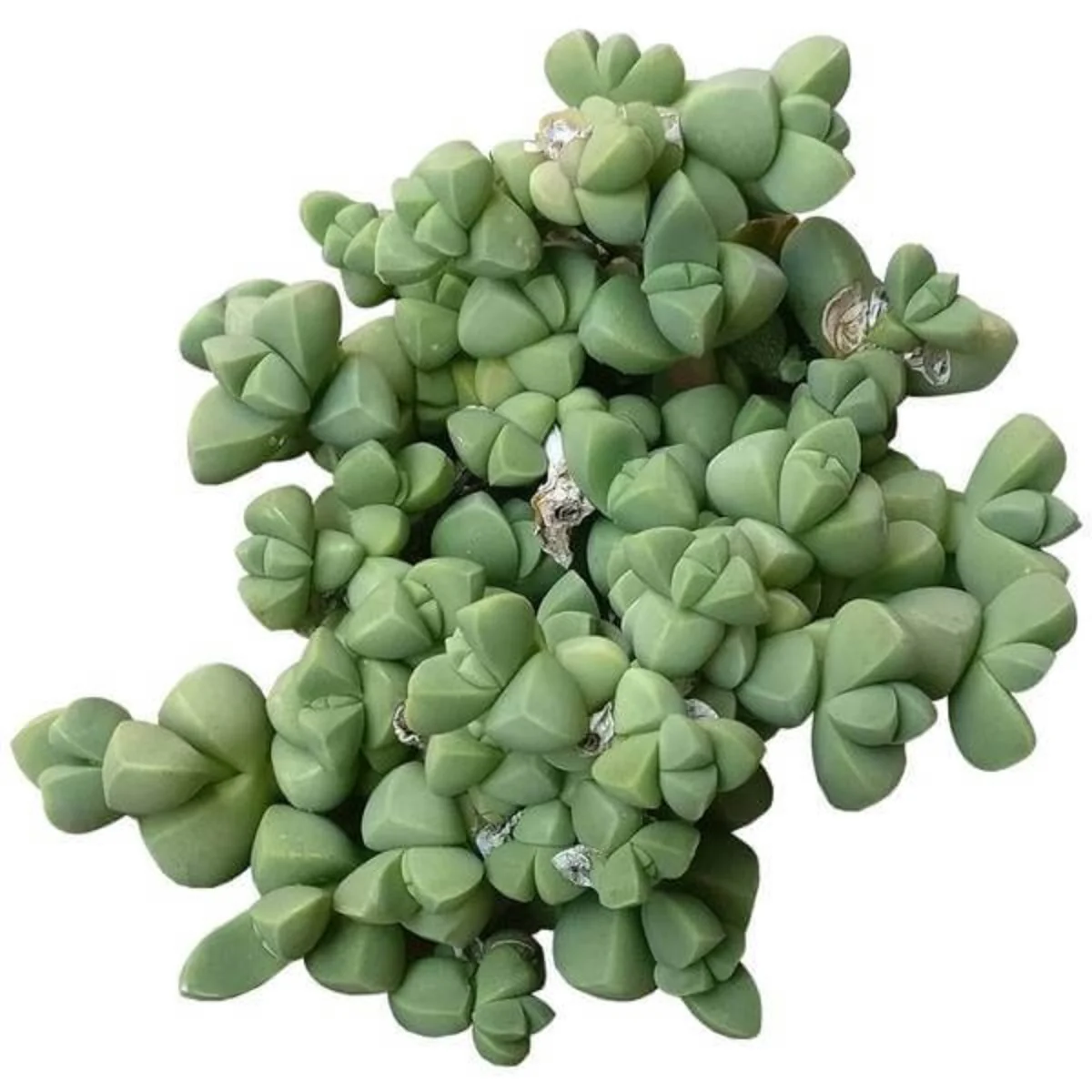
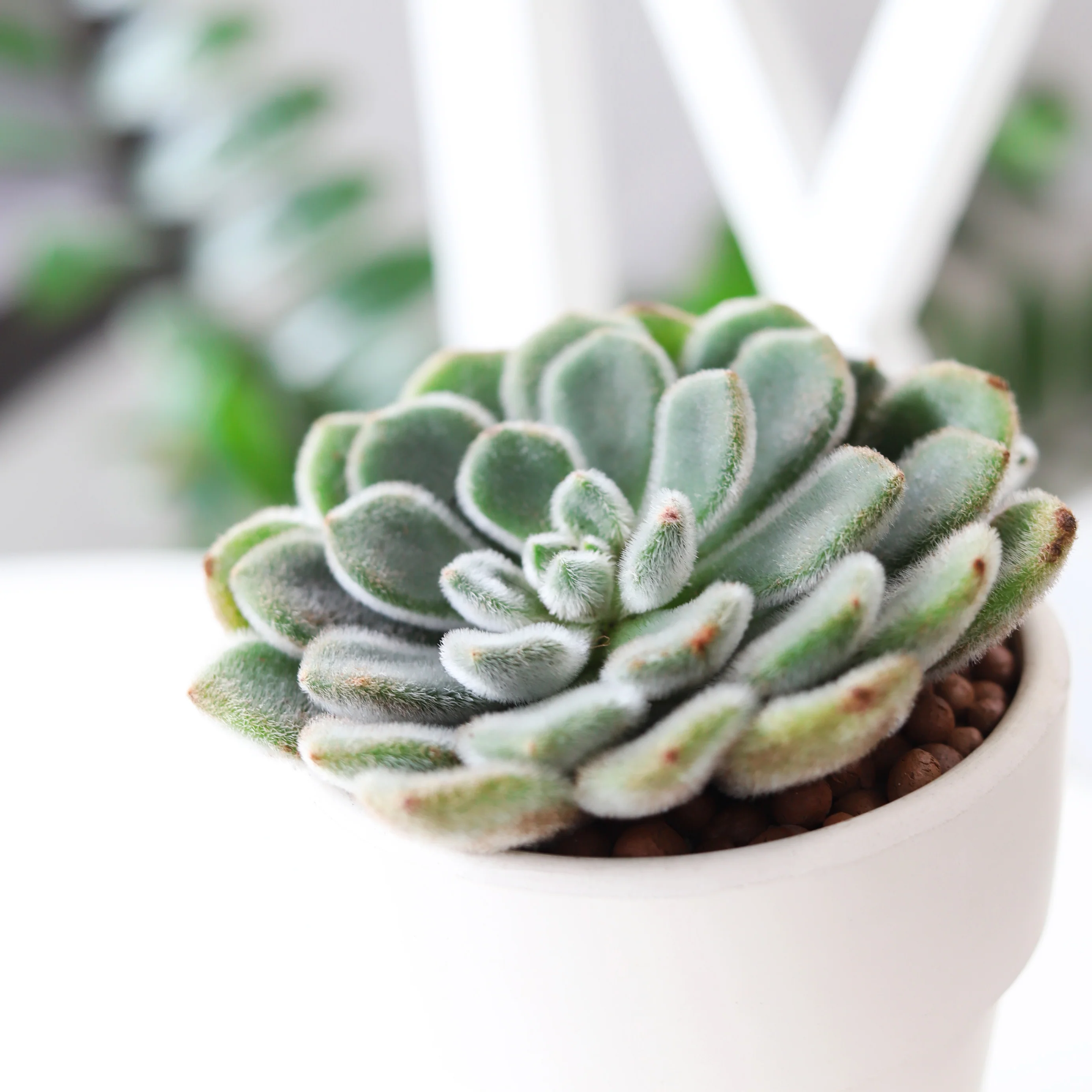
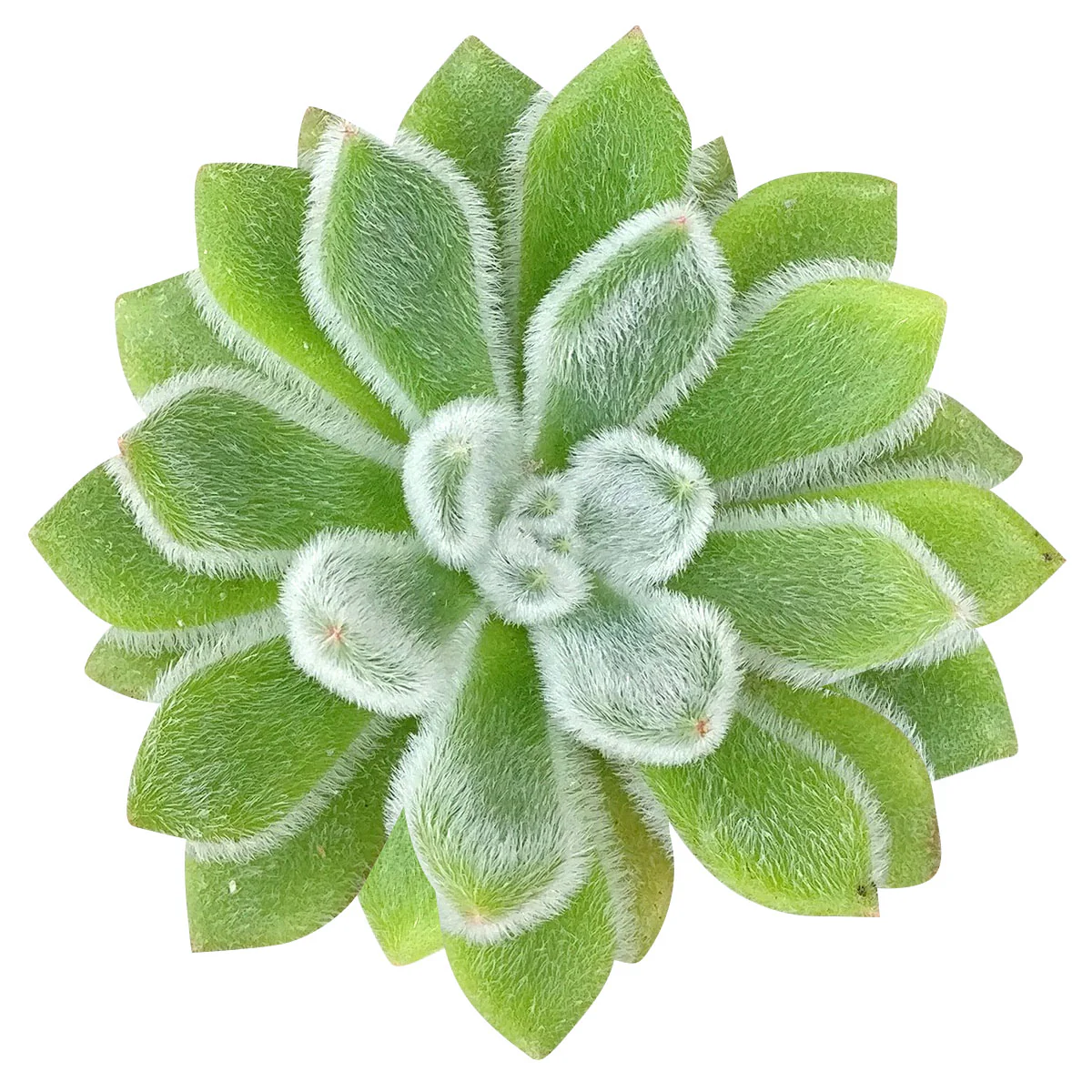
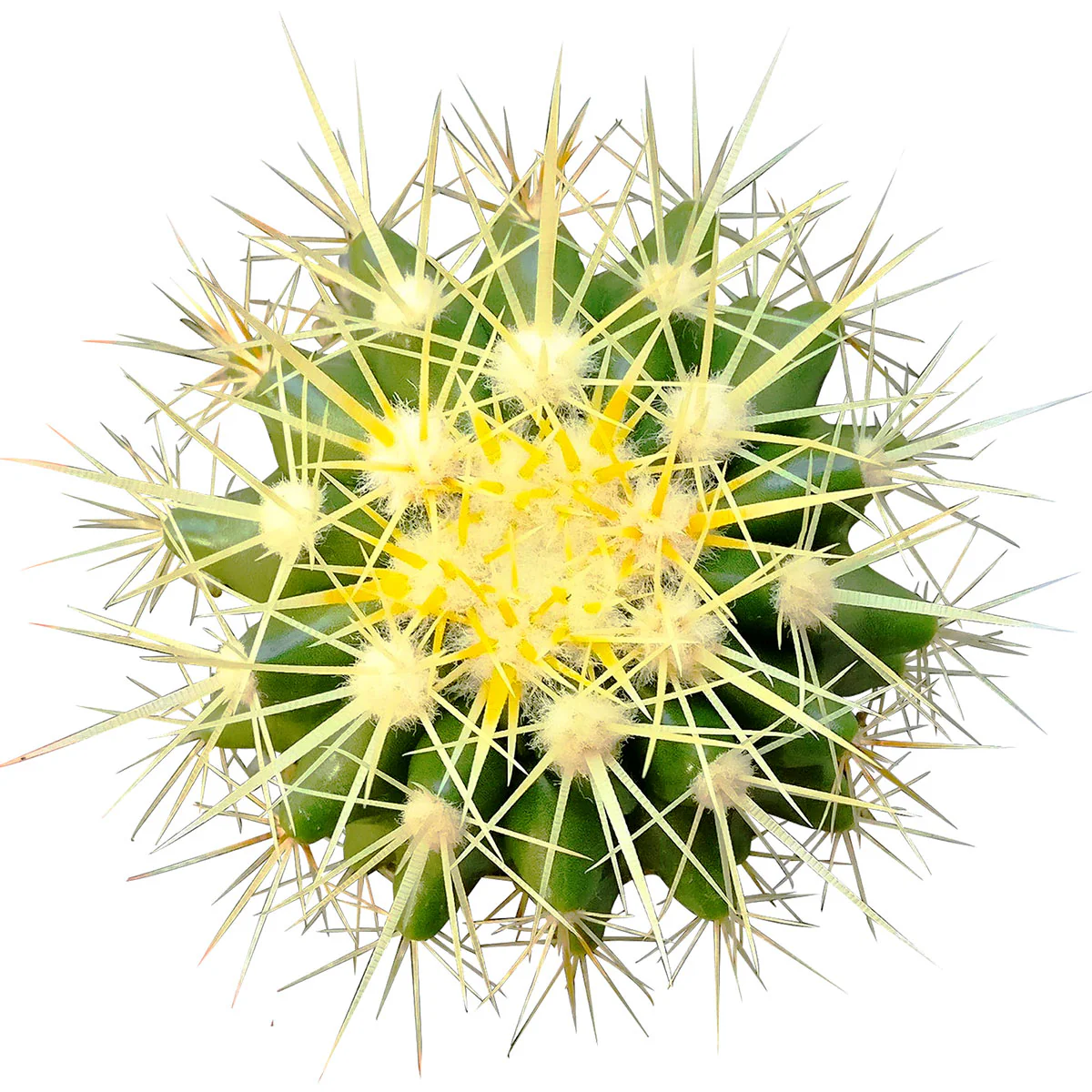
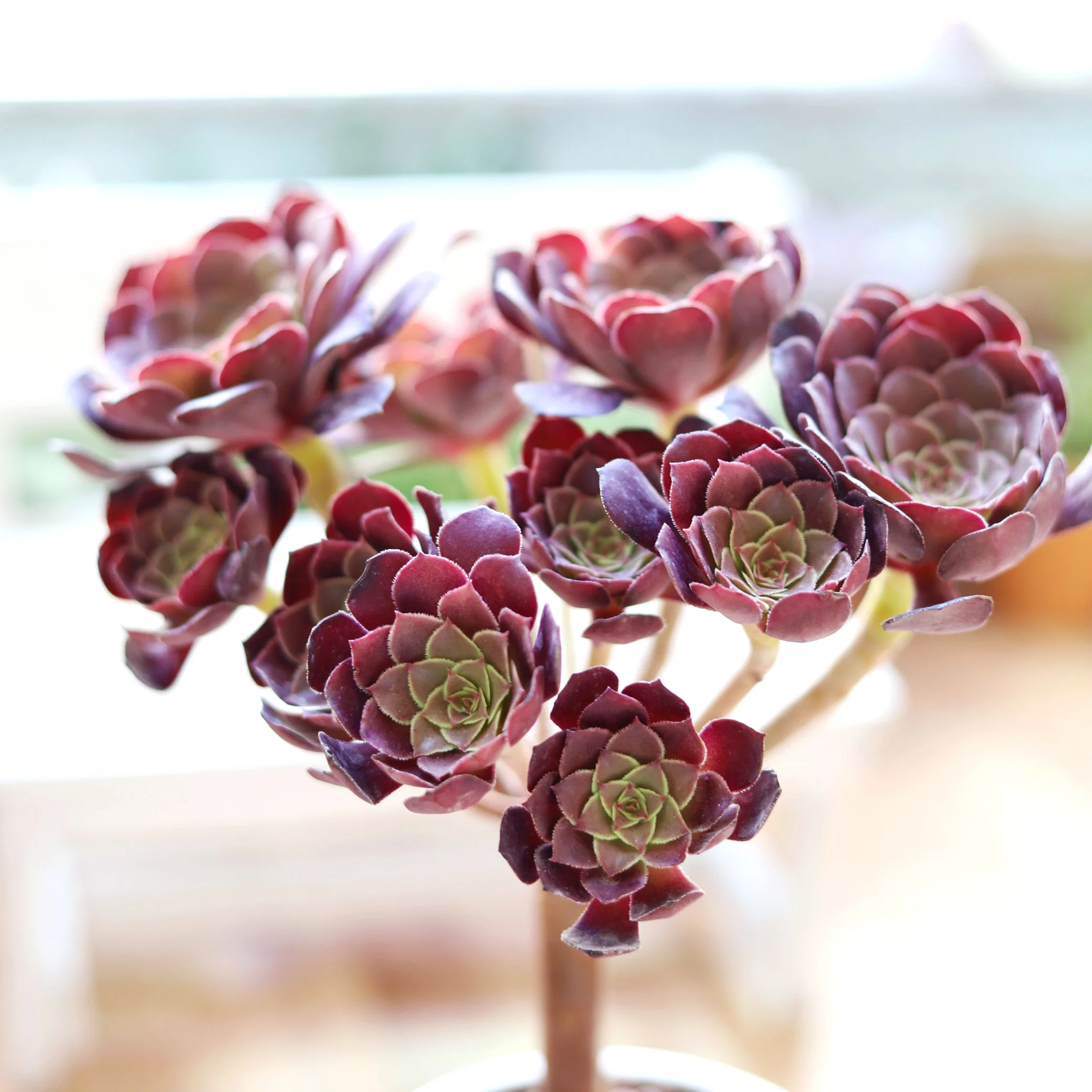
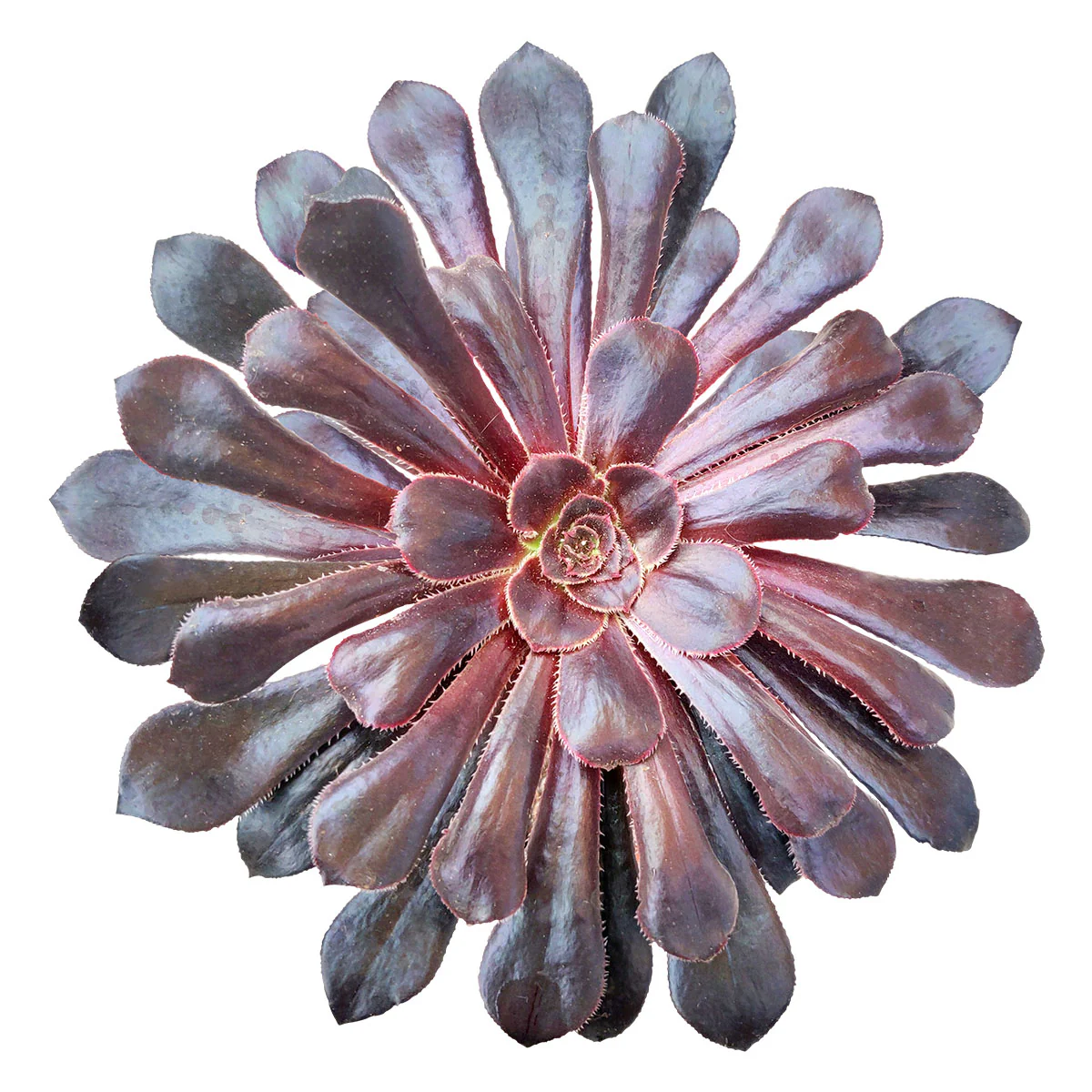
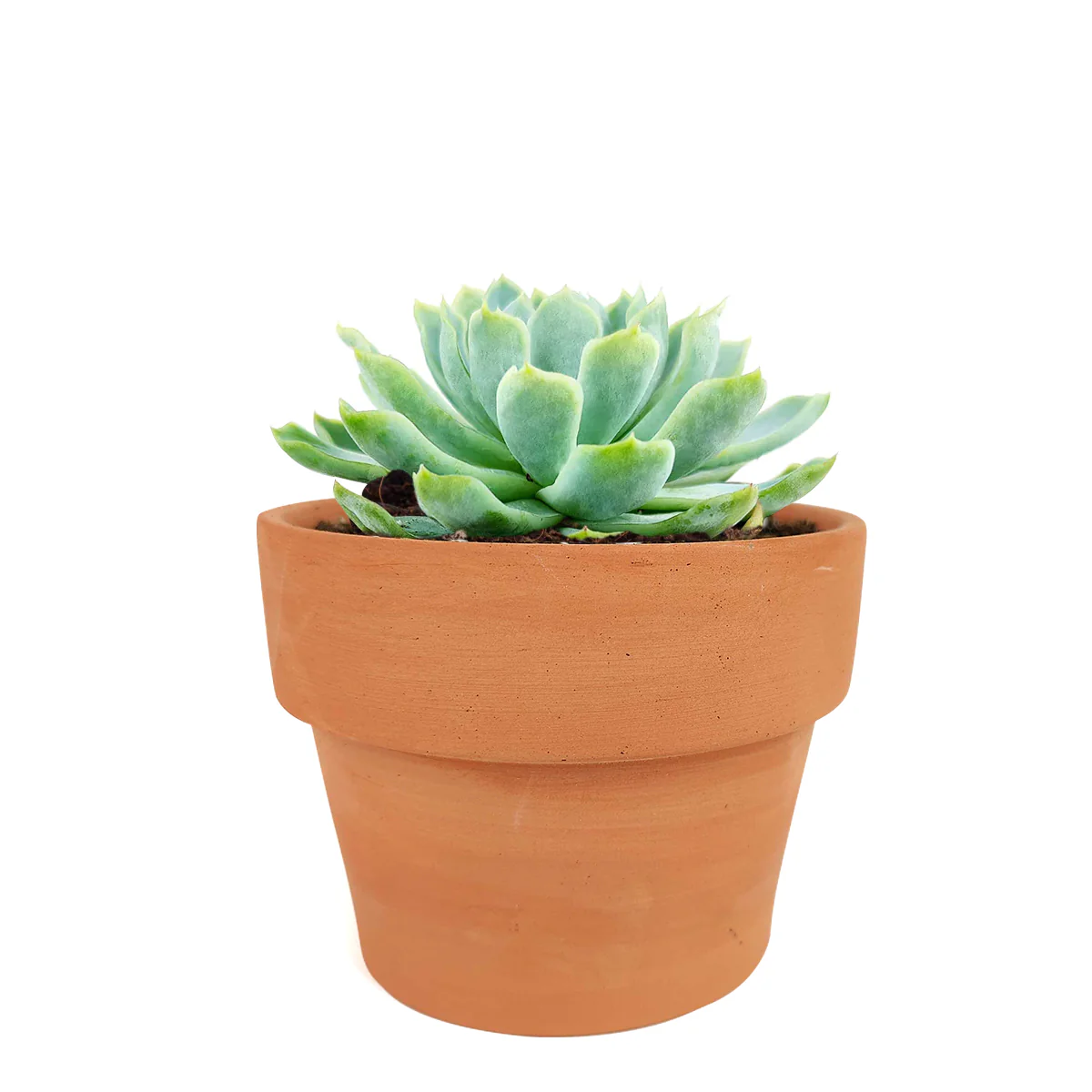
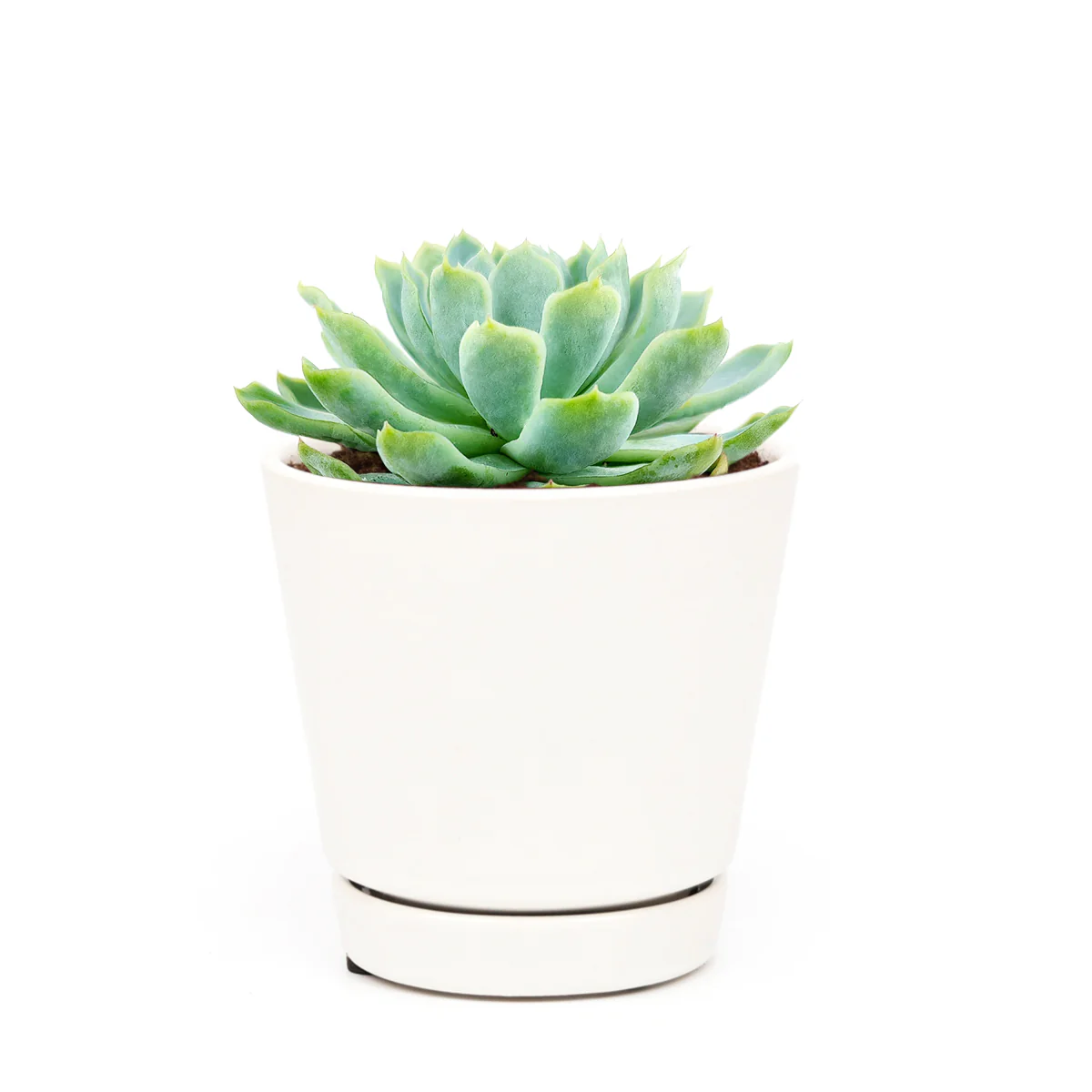
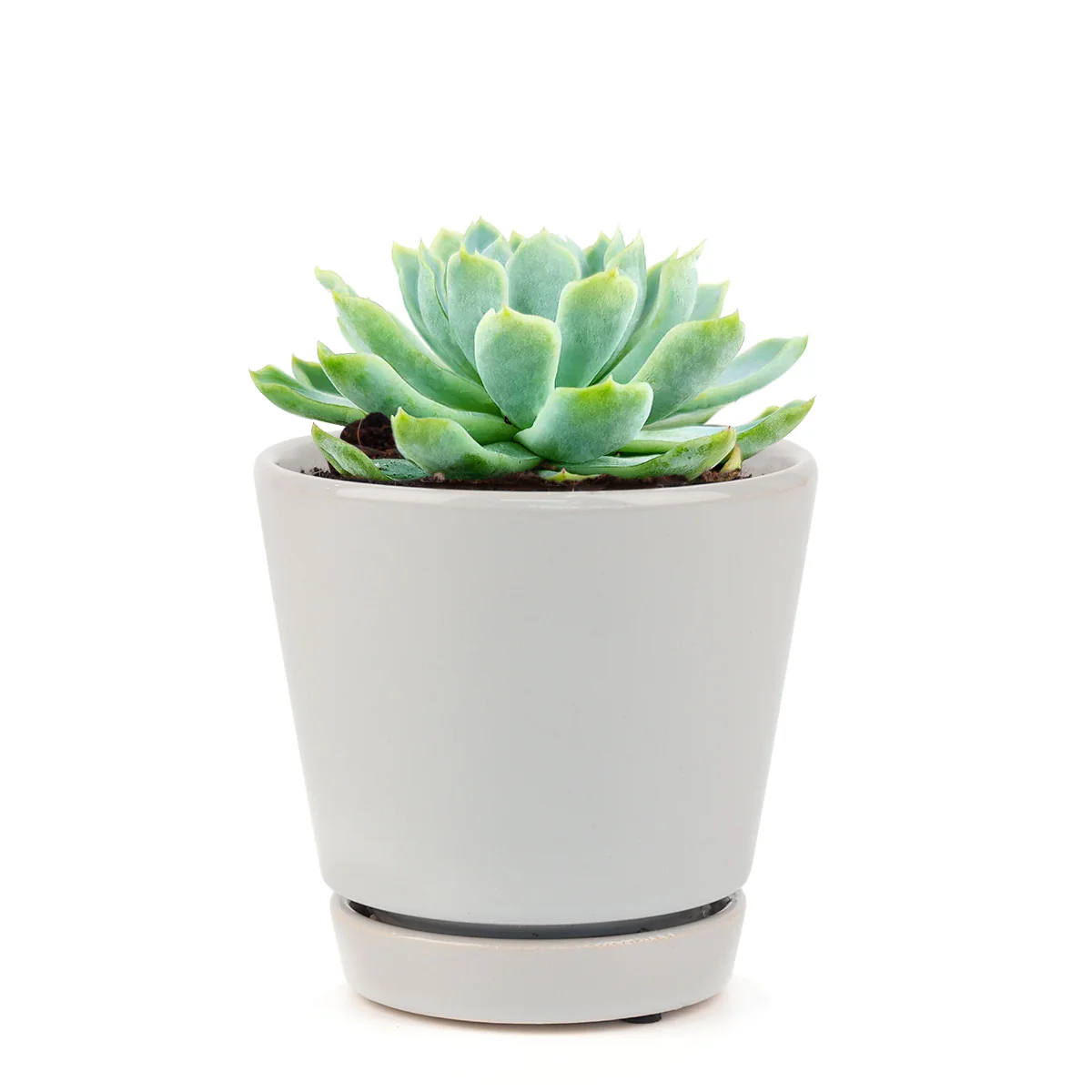
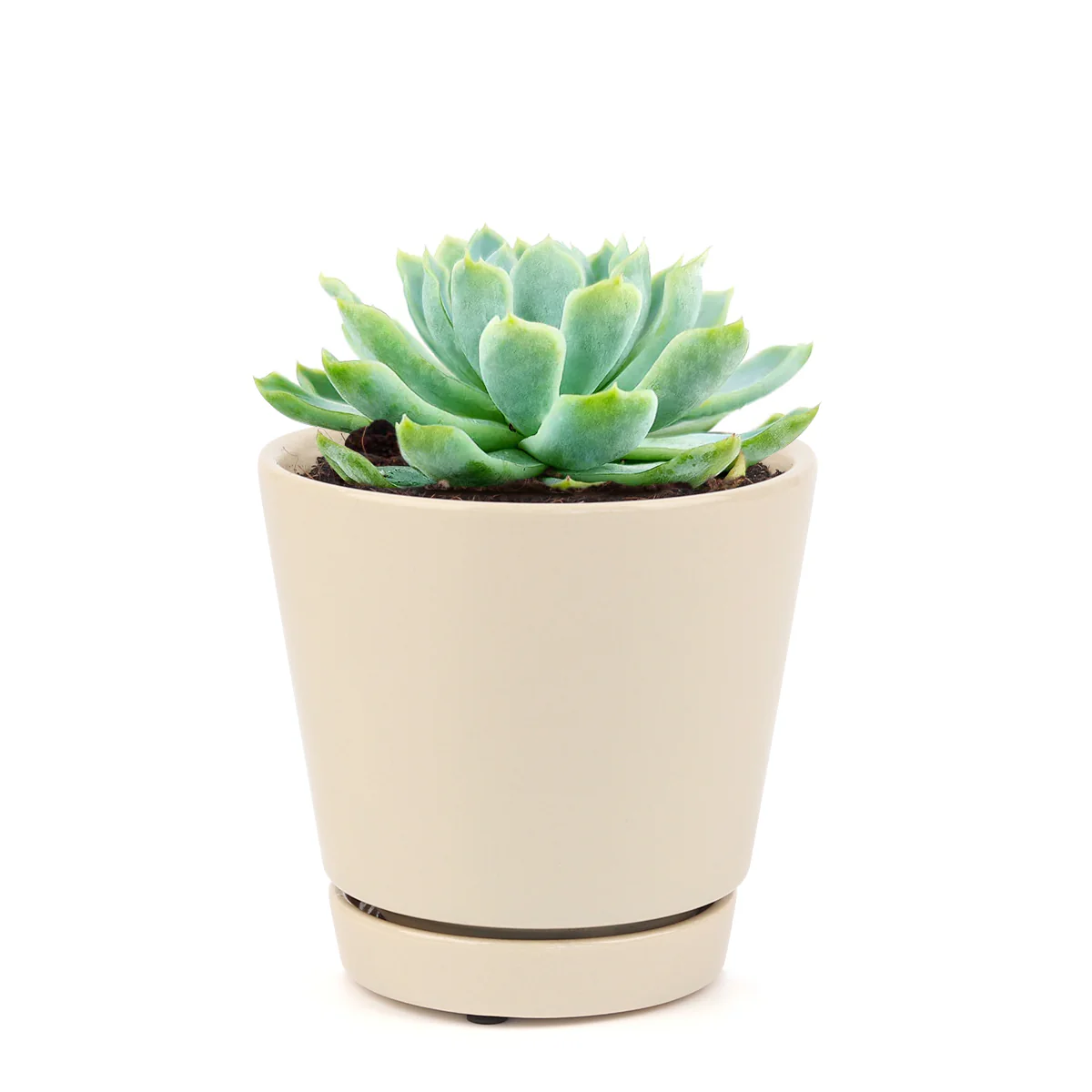
![]() Echeveria Elegans is native to Mexico. It forms tight rosettes of fleshy silvery pale green leaves. Echeveria Elegans produces offsets freely to form a lovely carpet, which makes it a wonderful groundcover succulent.
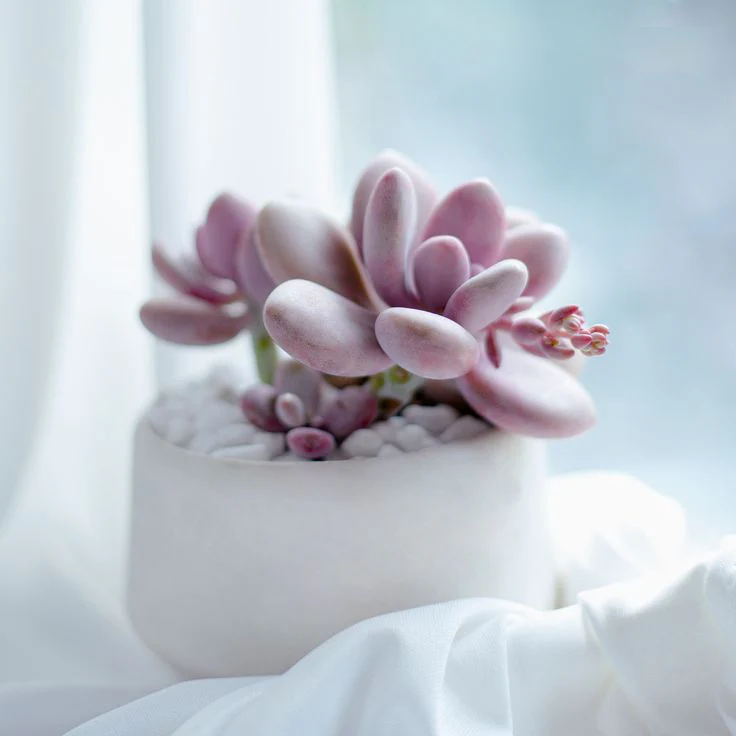
Echeveria Elegans is native to Mexico. It forms tight rosettes of fleshy silvery pale green leaves. Echeveria Elegans produces offsets freely to form a lovely carpet, which makes it a wonderful groundcover succulent.![]() In winter and spring, it produces bright pink bell-shaped flowers with yellow tips. It is called "Mexican Snowball".
In winter and spring, it produces bright pink bell-shaped flowers with yellow tips. It is called "Mexican Snowball".![]() All of the plants may be shipped bare root.
All of the plants may be shipped bare root.
See more about How to Care for Echeveria Elegans Mexican Snowball.
-
![]() Full Sun.
Full Sun.![]() Loam; Sand Well-Drained, pH around 6.0.
Loam; Sand Well-Drained, pH around 6.0.![]() Avoid letting water sit for too long in the rosette to prevent rot and fungal diseases.
Avoid letting water sit for too long in the rosette to prevent rot and fungal diseases.![]() Dead leaves should be removed from the plant as soon as possible to ward off pests.
Dead leaves should be removed from the plant as soon as possible to ward off pests.![]() Generally non-toxic to humans and animals
Generally non-toxic to humans and animals -
![]() 9a to 11b: from 20 °F (−6.7 °C) to 50 °F (+10 °C) .
9a to 11b: from 20 °F (−6.7 °C) to 50 °F (+10 °C) .
 Echeveria Elegans is native to Mexico. It forms tight rosettes of fleshy silvery pale green leaves. Echeveria Elegans produces offsets freely to form a lovely carpet, which makes it a wonderful groundcover succulent.
 In winter and spring, it produces bright pink bell-shaped flowers with yellow tips. It is called "Mexican Snowball".
 All of the plants may be shipped bare root.
  Full Sun.
 Loam; Sand Well-Drained, pH around 6.0.
 Avoid letting water sit for too long in the rosette to prevent rot and fungal diseases.
 Dead leaves should be removed from the plant as soon as possible to ward off pests.
 Generally non-toxic to humans and animals
 9a to 11b: from 20 °F (−6.7 °C) to 50 °F (+10 °C) .
Select Size
Select Style
From $2.14
Original: $7.14
-70%Echeveria Elegans Mexican Snowball—
$7.14
$2.14Product Information
Product Information
Shipping & Returns
Shipping & Returns
Description
-
![]() Echeveria Elegans is native to Mexico. It forms tight rosettes of fleshy silvery pale green leaves. Echeveria Elegans produces offsets freely to form a lovely carpet, which makes it a wonderful groundcover succulent.
Echeveria Elegans is native to Mexico. It forms tight rosettes of fleshy silvery pale green leaves. Echeveria Elegans produces offsets freely to form a lovely carpet, which makes it a wonderful groundcover succulent.![]() In winter and spring, it produces bright pink bell-shaped flowers with yellow tips. It is called "Mexican Snowball".
In winter and spring, it produces bright pink bell-shaped flowers with yellow tips. It is called "Mexican Snowball".![]() All of the plants may be shipped bare root.
All of the plants may be shipped bare root.
See more about How to Care for Echeveria Elegans Mexican Snowball.
-
![]() Full Sun.
Full Sun.![]() Loam; Sand Well-Drained, pH around 6.0.
Loam; Sand Well-Drained, pH around 6.0.![]() Avoid letting water sit for too long in the rosette to prevent rot and fungal diseases.
Avoid letting water sit for too long in the rosette to prevent rot and fungal diseases.![]() Dead leaves should be removed from the plant as soon as possible to ward off pests.
Dead leaves should be removed from the plant as soon as possible to ward off pests.![]() Generally non-toxic to humans and animals
Generally non-toxic to humans and animals -
![]() 9a to 11b: from 20 °F (−6.7 °C) to 50 °F (+10 °C) .
9a to 11b: from 20 °F (−6.7 °C) to 50 °F (+10 °C) .